Mastering Digital Marketing with HubSpot#
This document summarizes the key concepts and practical tips from Jamal’s HubSpot video on digital marketing. It explains what digital marketing is, outlines four core best practices, and provides real-world examples to help you understand how to apply these strategies effectively.
Step 1: Subscribe and Enable Notifications#
Be sure to subscribe to the HubSpot YouTube channel to stay updated on the latest digital marketing content.

After subscribing, tap the notification bell so you’re alerted whenever a new video is published.

Step 2: Understand What Digital Marketing Is#
HubSpot defines digital marketing as all marketing efforts that use an electronic device or the internet.
This typically includes marketing via search engines, social media, email, and websites. In today’s world, it also extends to channels such as online video, video games, and even messaging apps. Every online interaction can be treated as a marketing opportunity when approached thoughtfully.
Step 3: Define Your Audience with Buyer Personas#
Digital marketing starts with clearly defining who you are trying to reach. Since nearly everyone is online, you cannot effectively market to everyone at once—you need focus.
Use buyer personas to identify your ideal customers. A buyer persona is a semi-fictional representation of your ideal customer, based on market research and data from your existing customers.
- For B2B products, focus on company attributes, the buyer’s role, organization size, and key challenges.
- For B2C products, emphasize demographics such as age, education, lifestyle, and interests.
A strong example is the personal finance app Mint. All
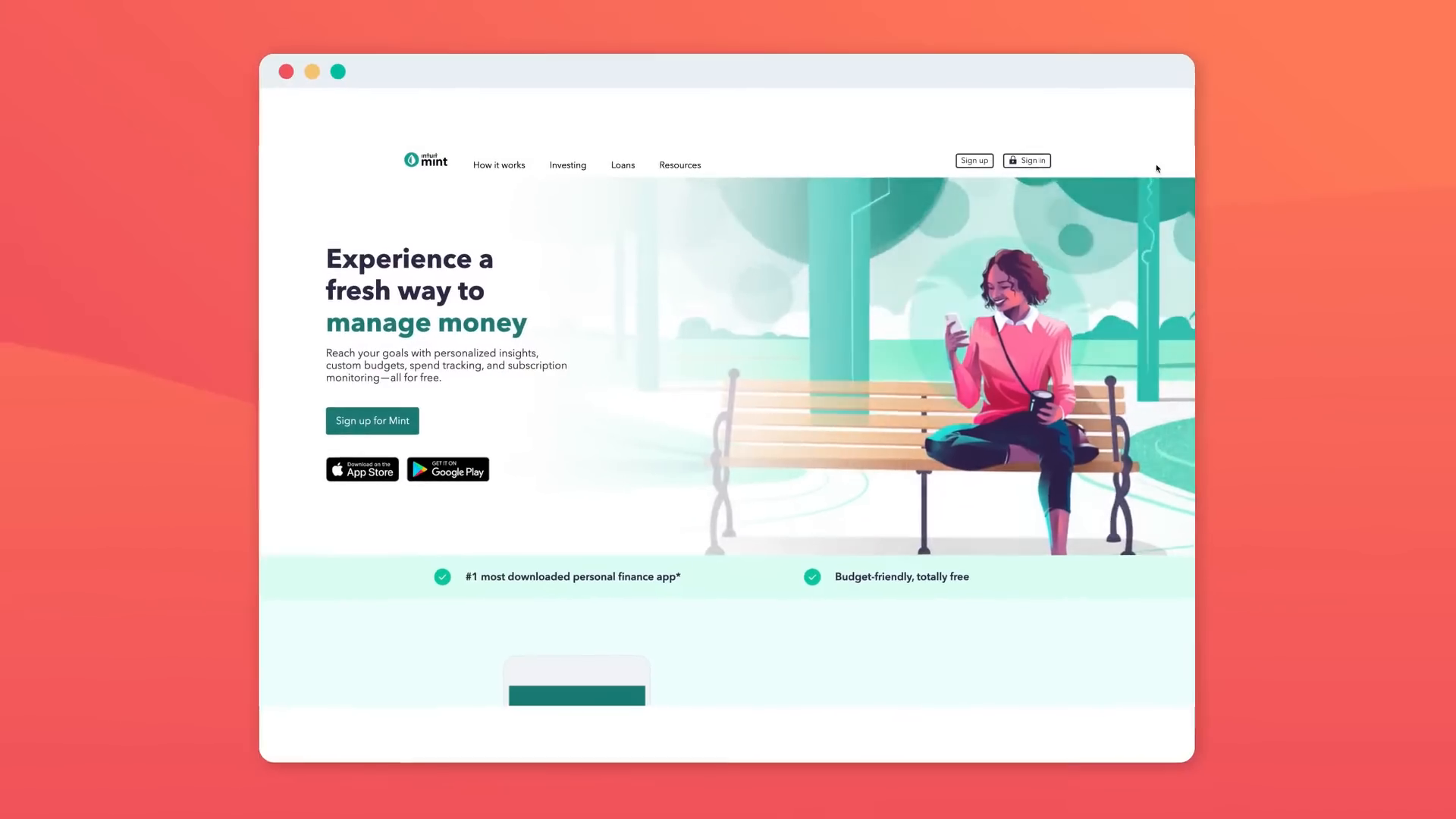
adults
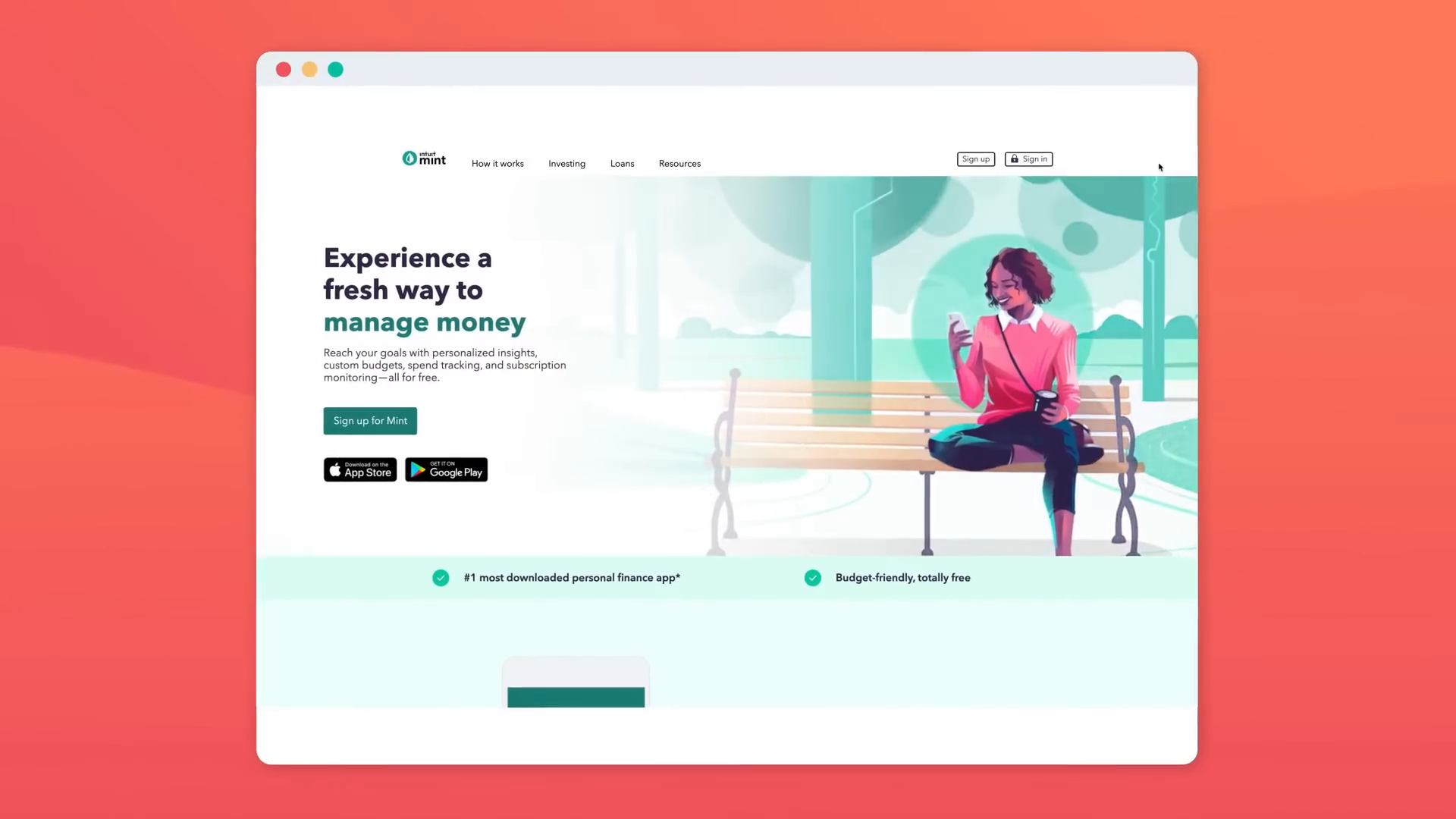
need
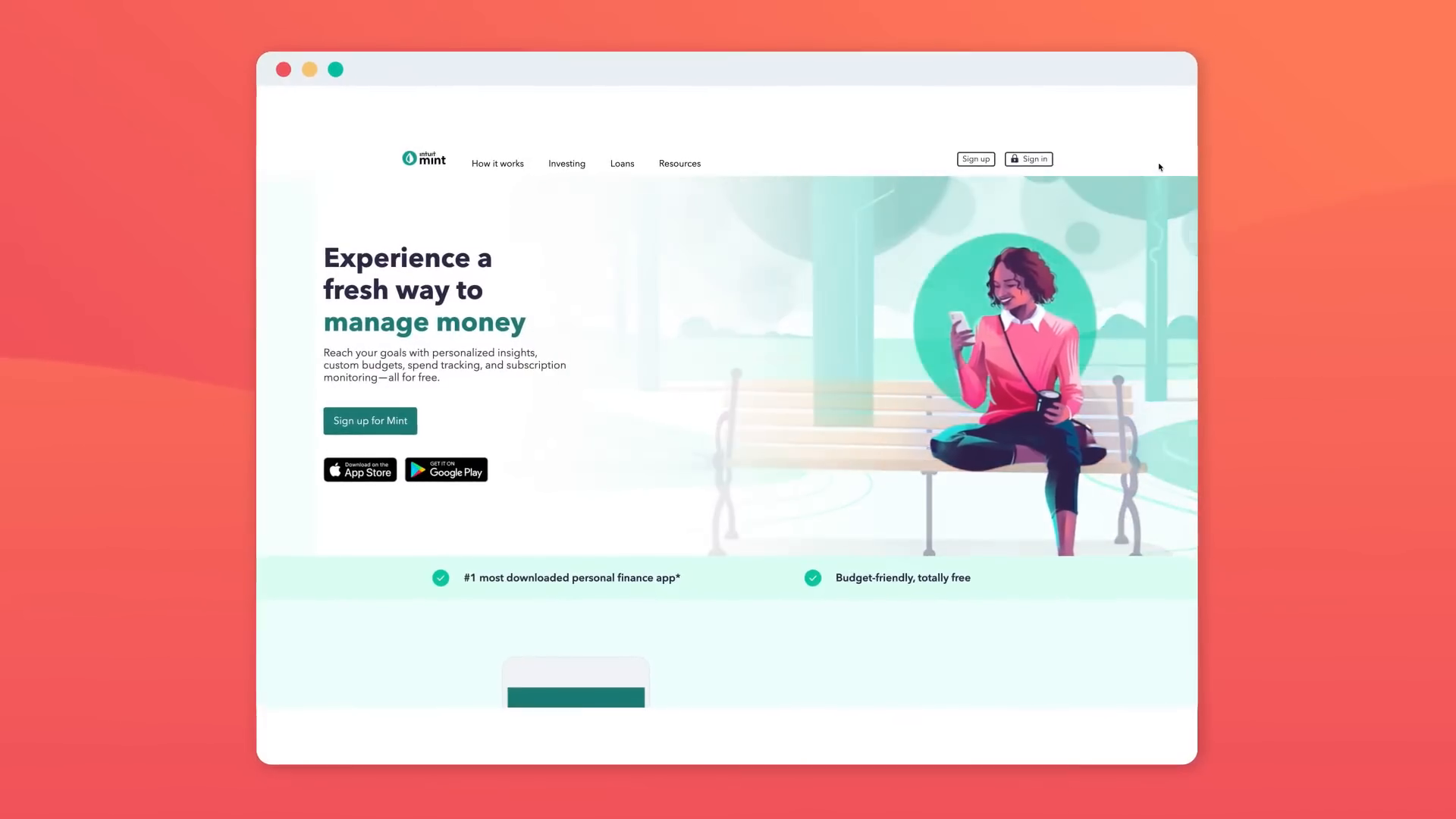
financial tools, but Mint specifically targets the young professional
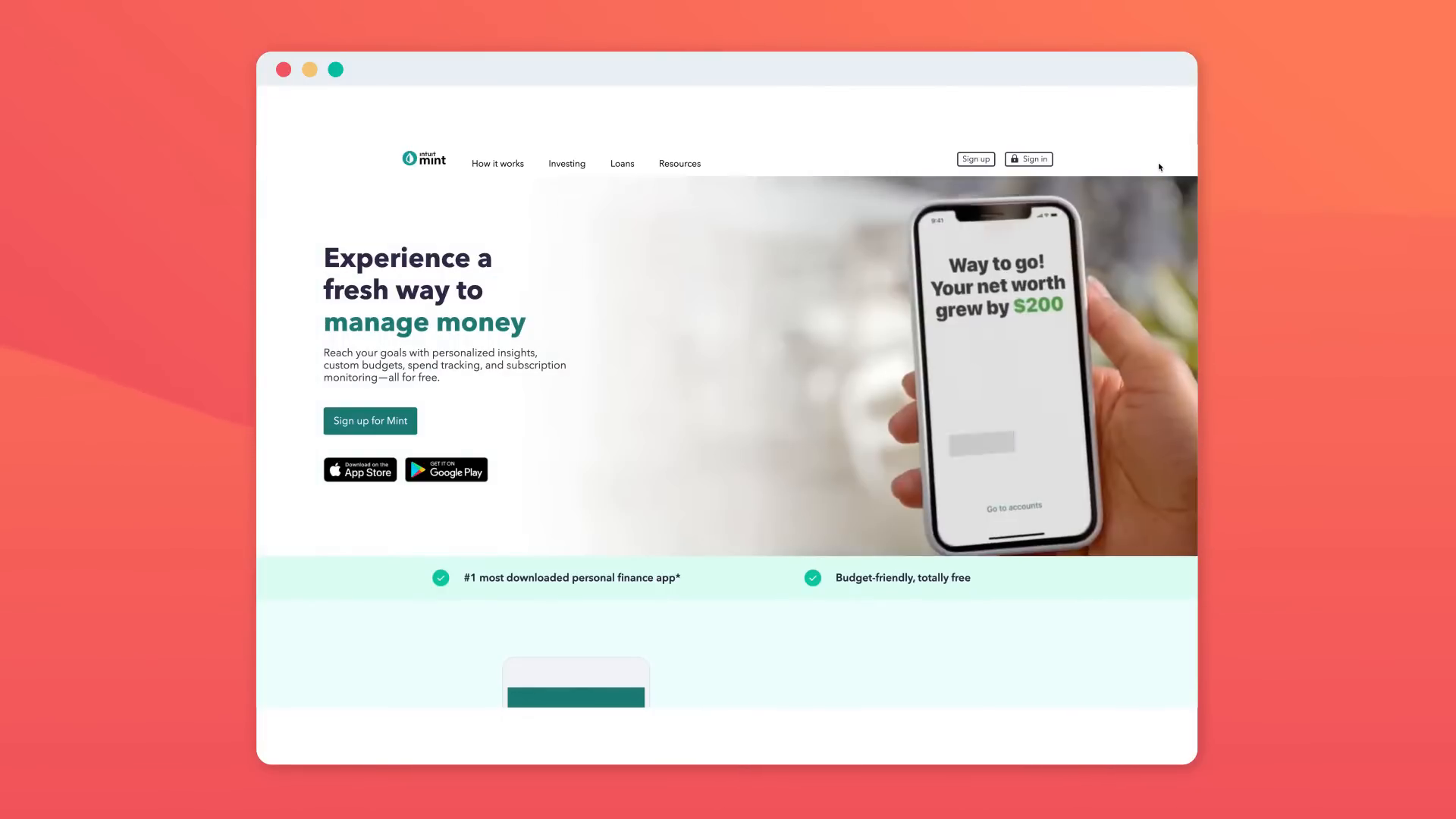
demographic. You can immediately see this focus
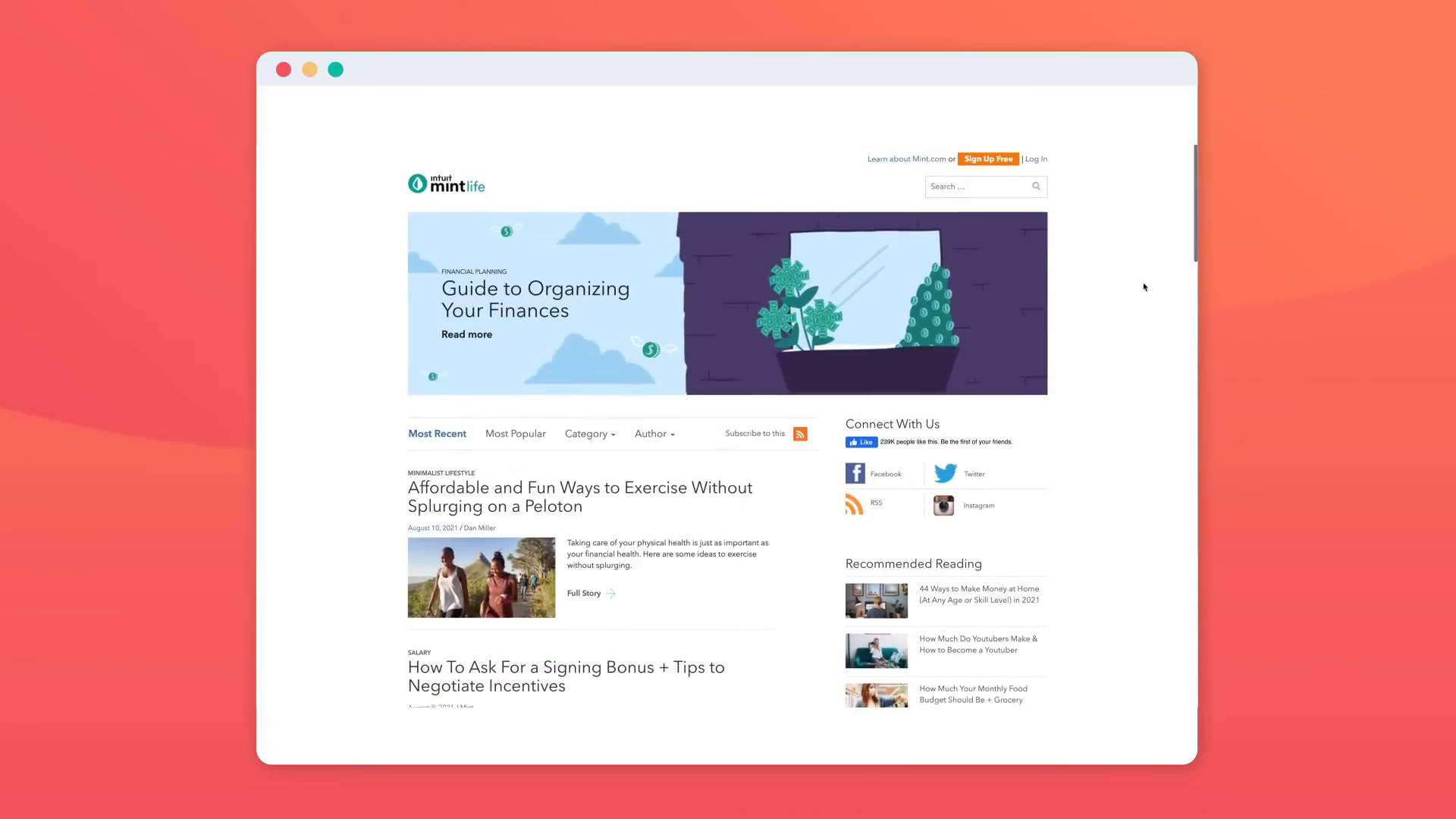
when you
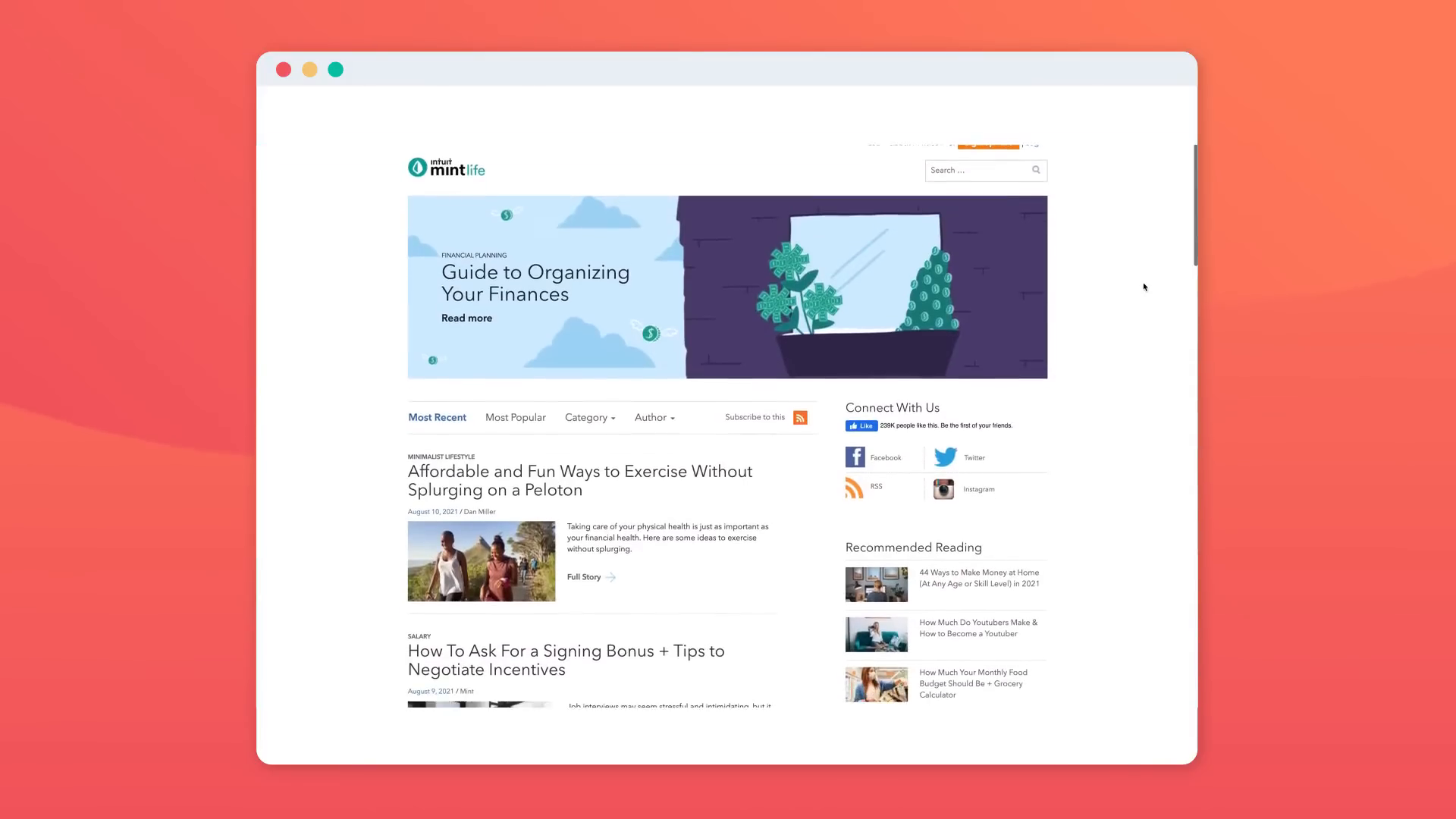
go
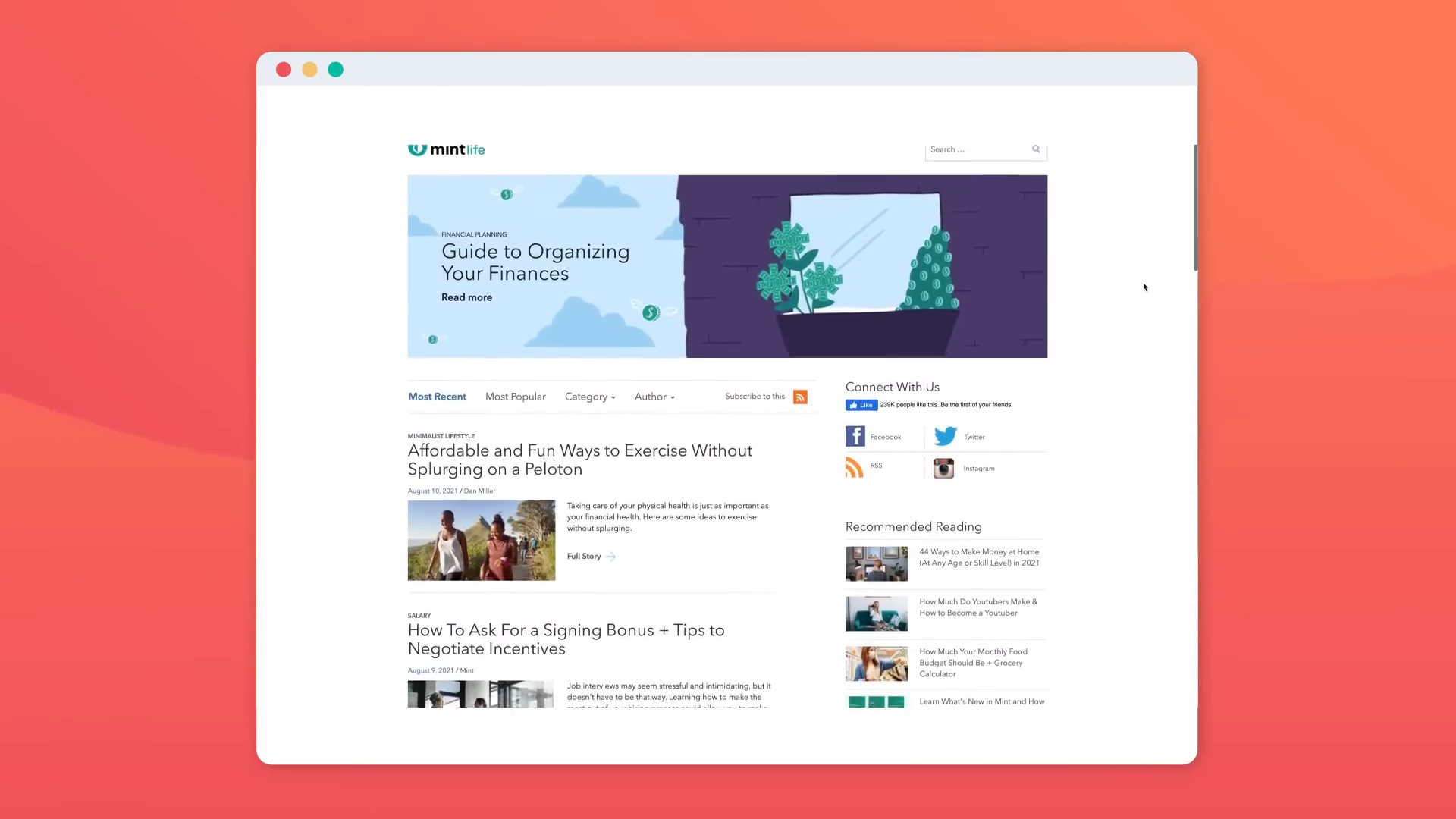
to the Mint
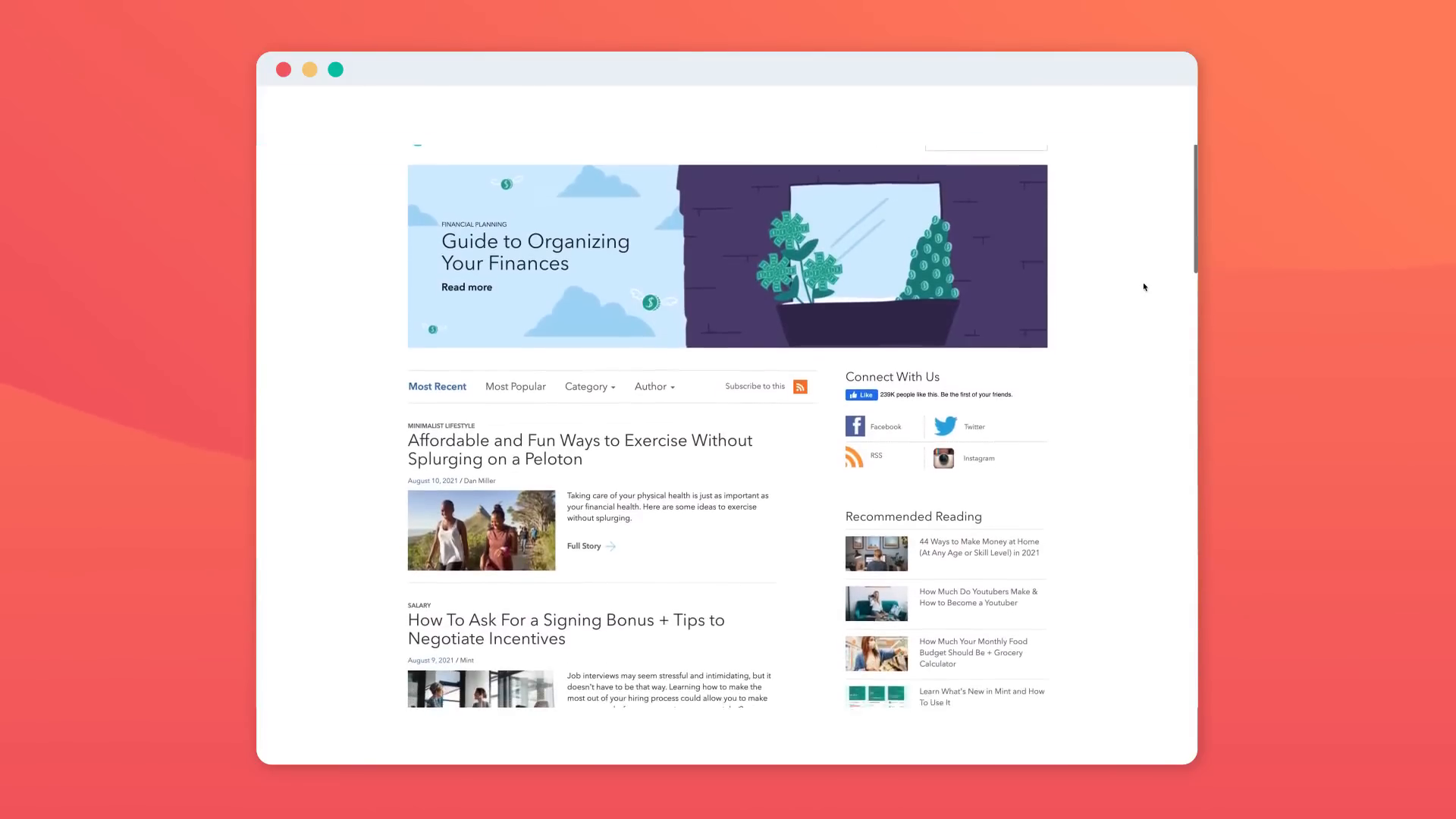
Life
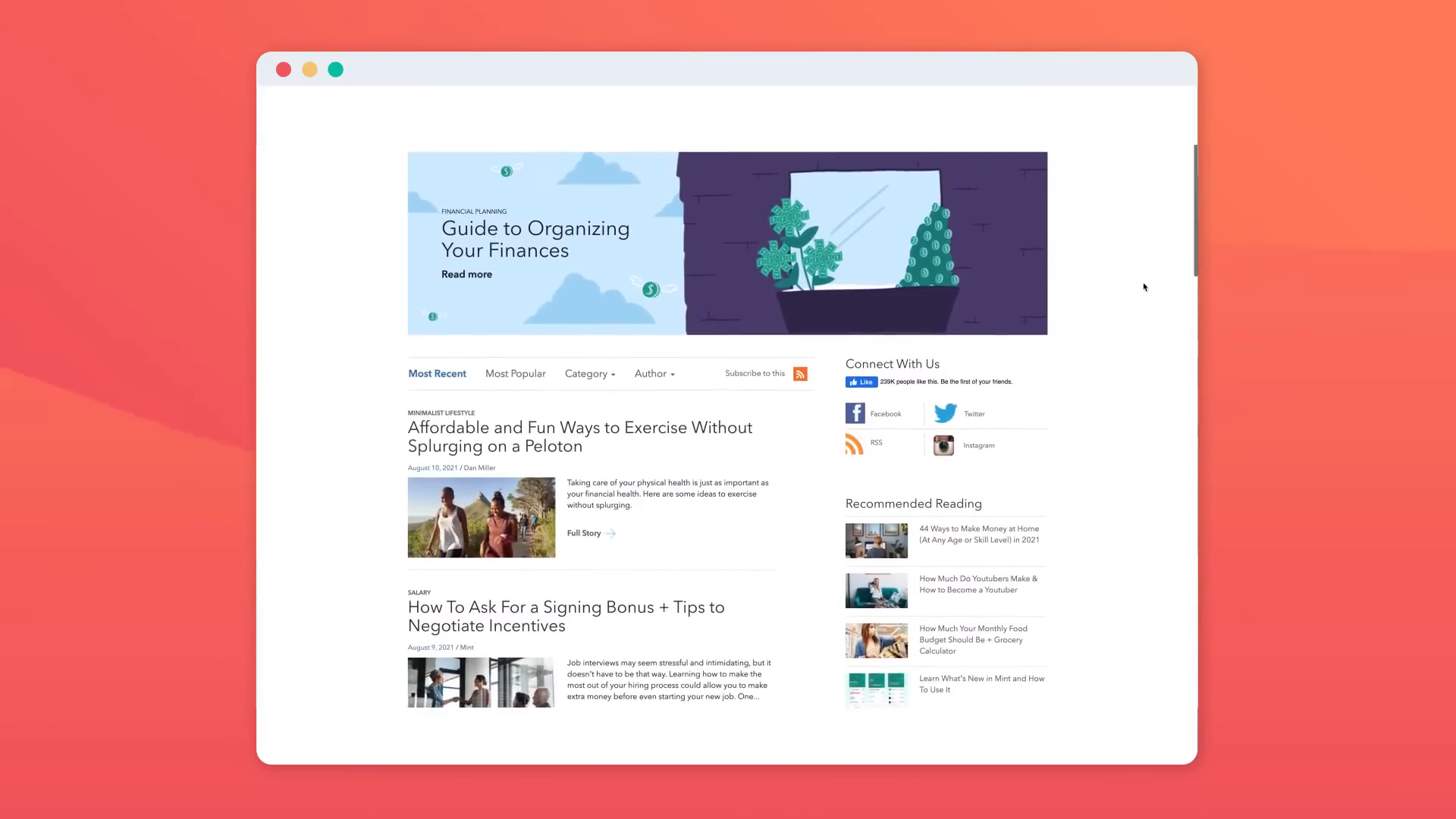
blog,

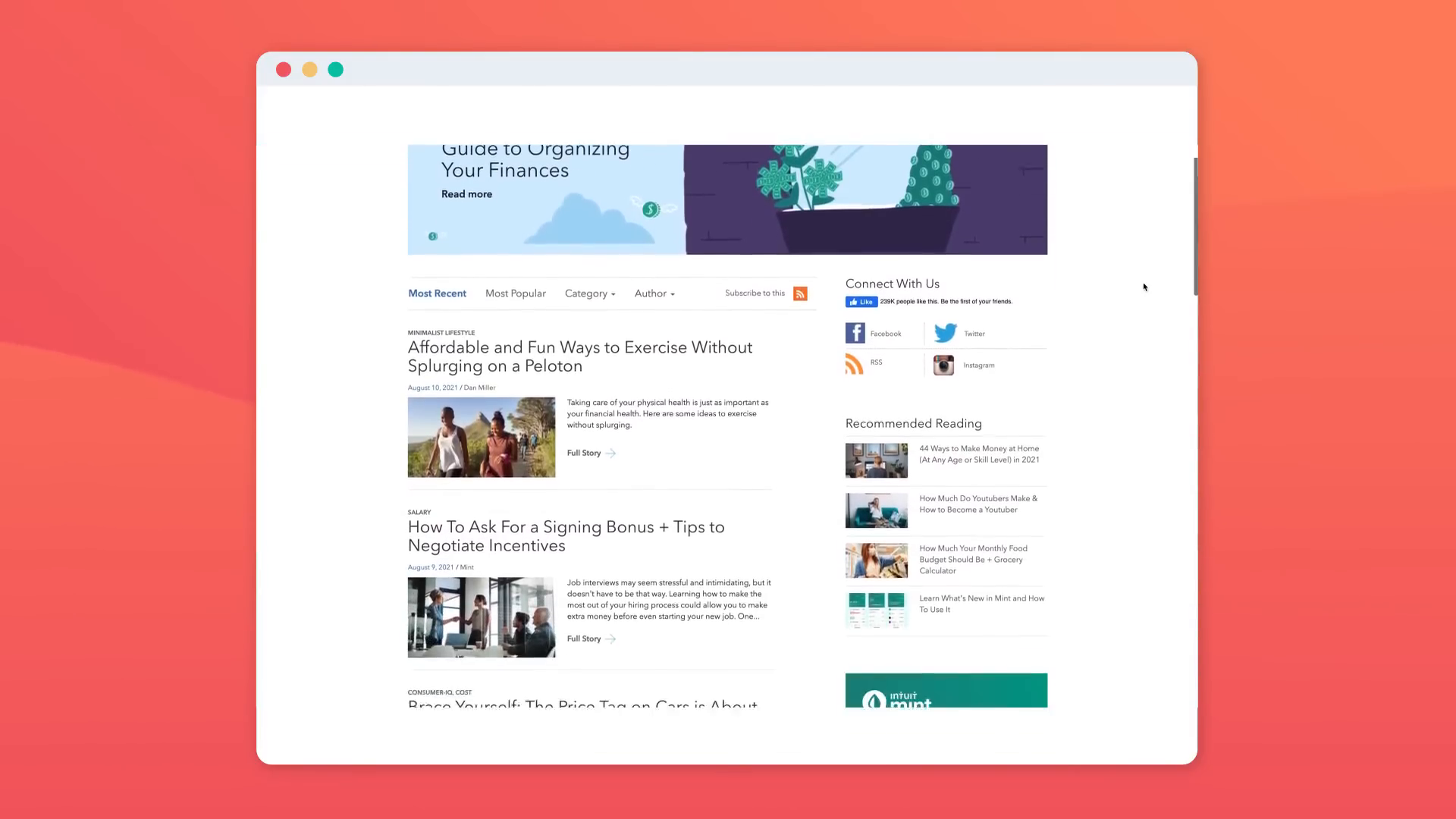
from the photos
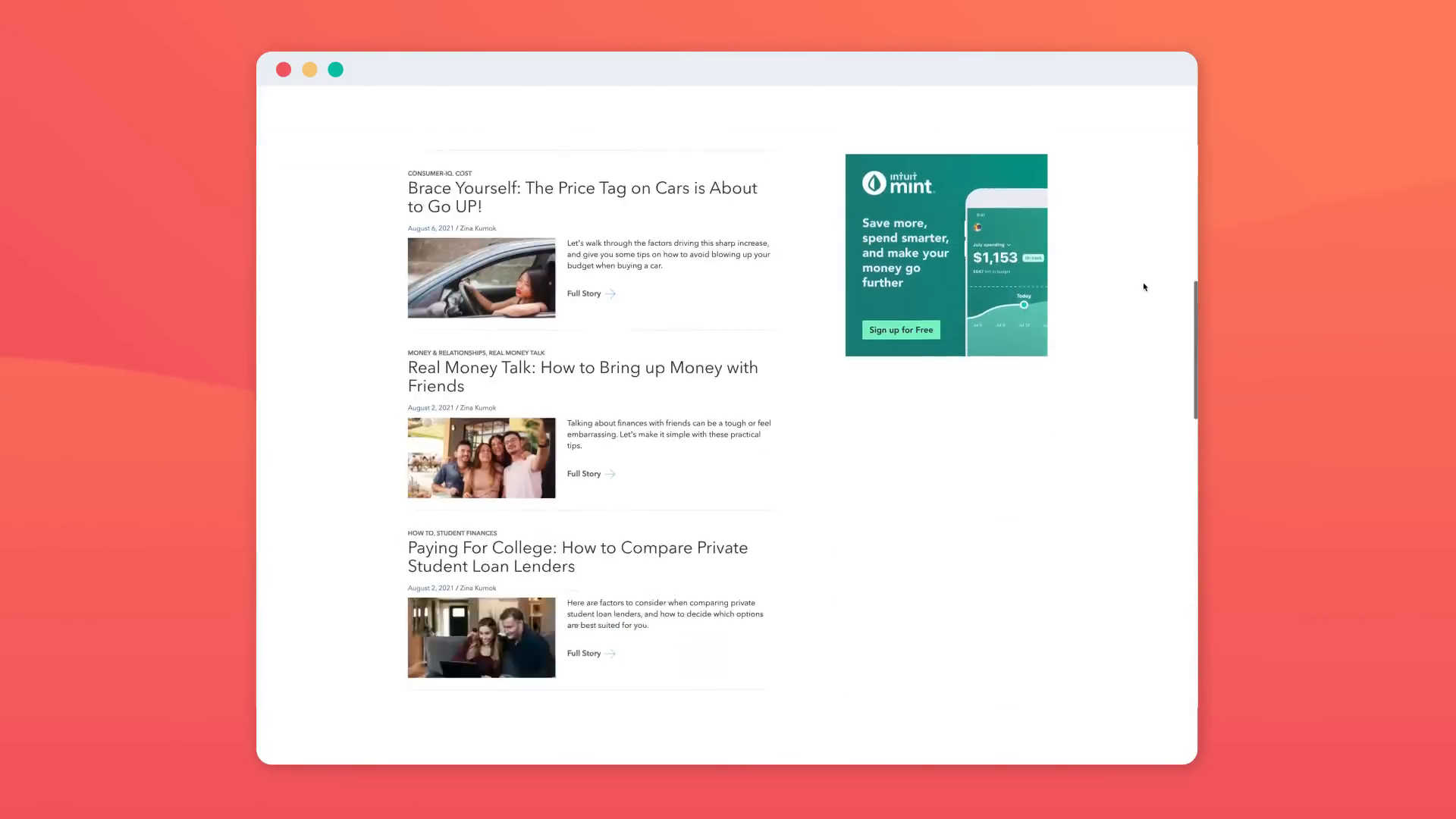
of young adults they feature and headlines like “Can I Afford to Have a Hot Girl Summer?” Their content and imagery make their target audience unmistakably clear.
Step 4: Be Present Where Your Audience Spends Time#
Once you know who your audience is, determine where they spend their time online. People are online for many hours each day, but they are not all on the same platforms.
Use:
- Audience research to understand platform preferences and habits.
- Ad targeting tools on major digital platforms to reach specific demographics.
- Content that is tailored to and integrated within the communities your audience already engages with.
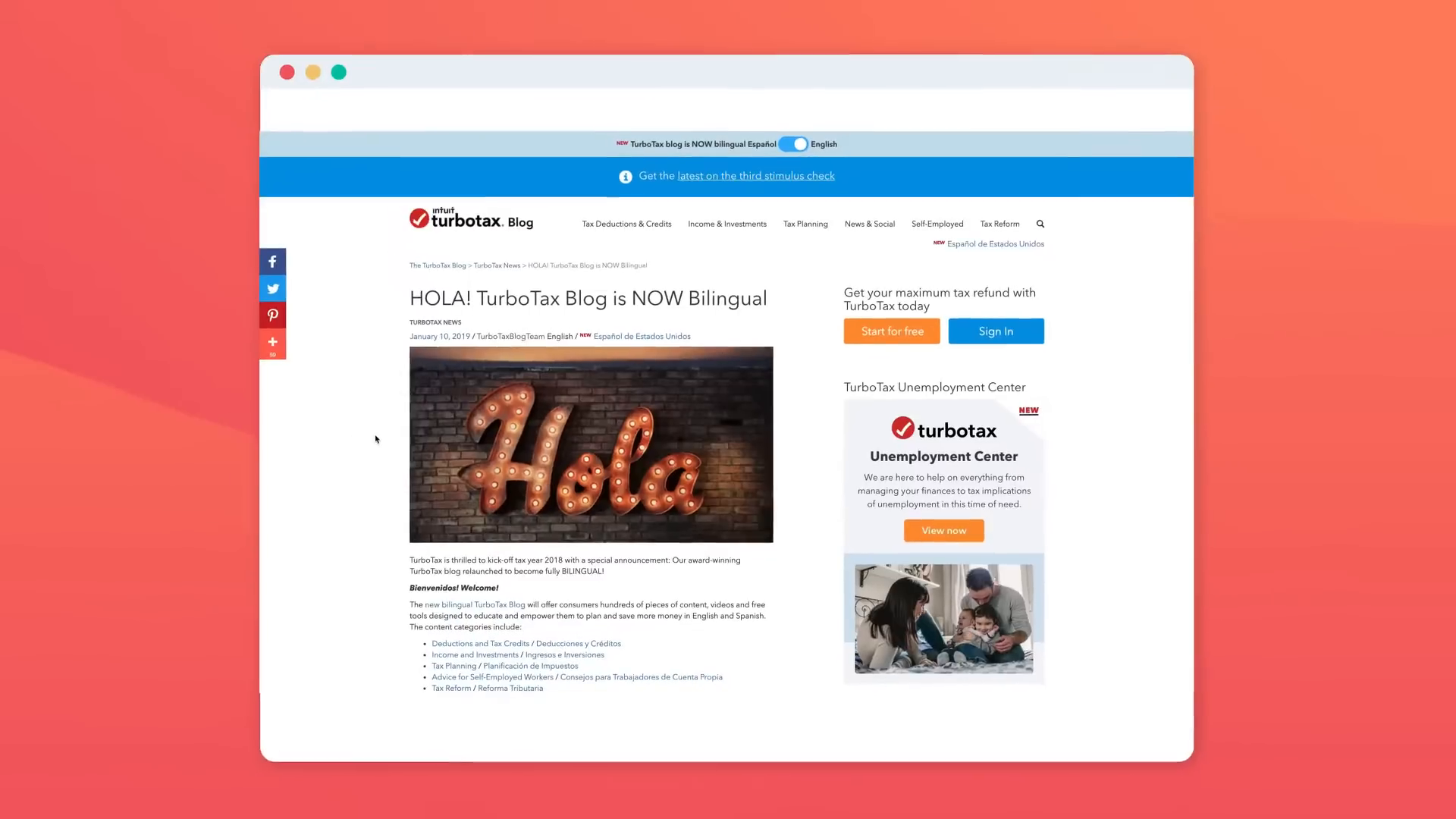
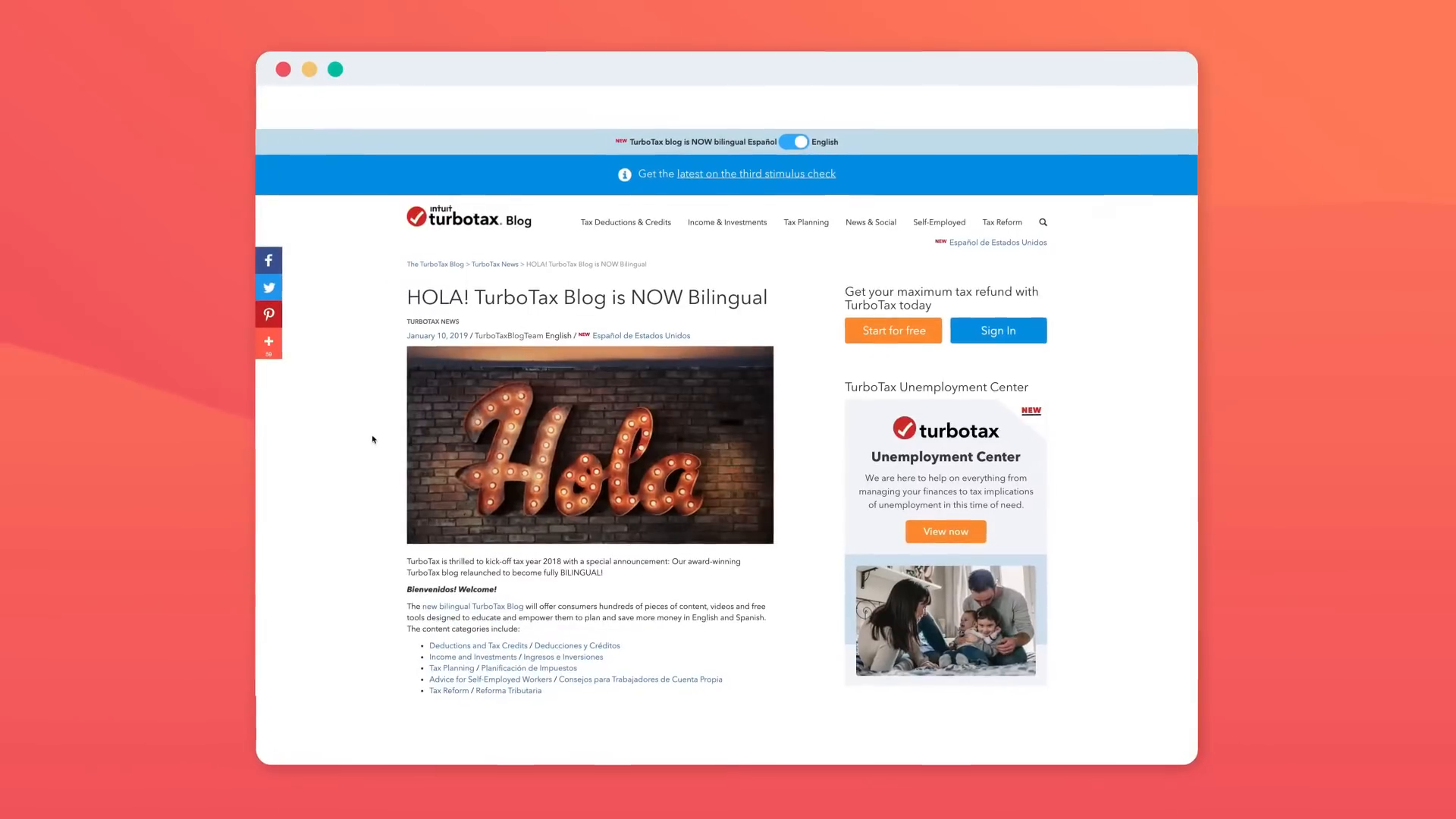
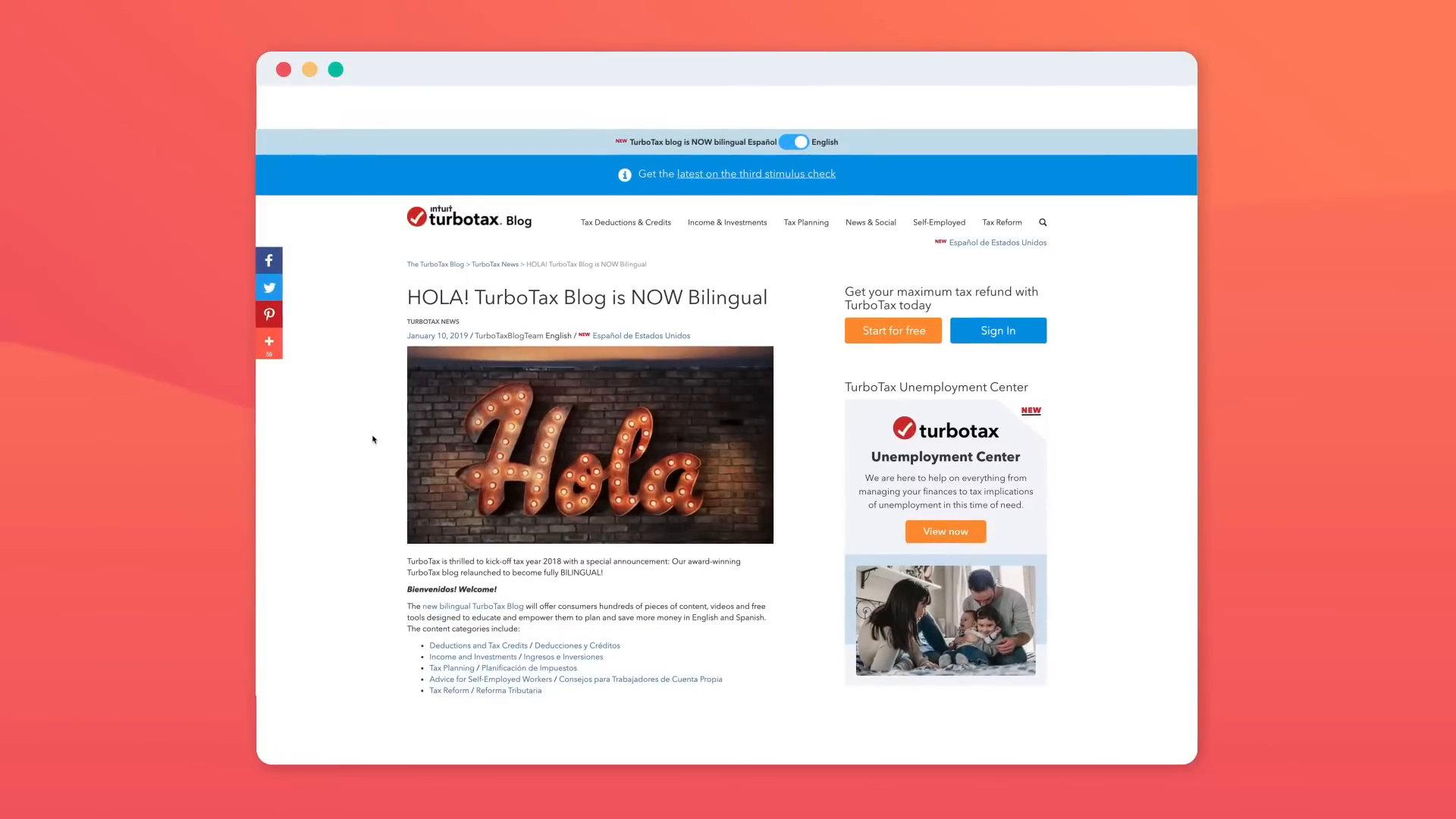
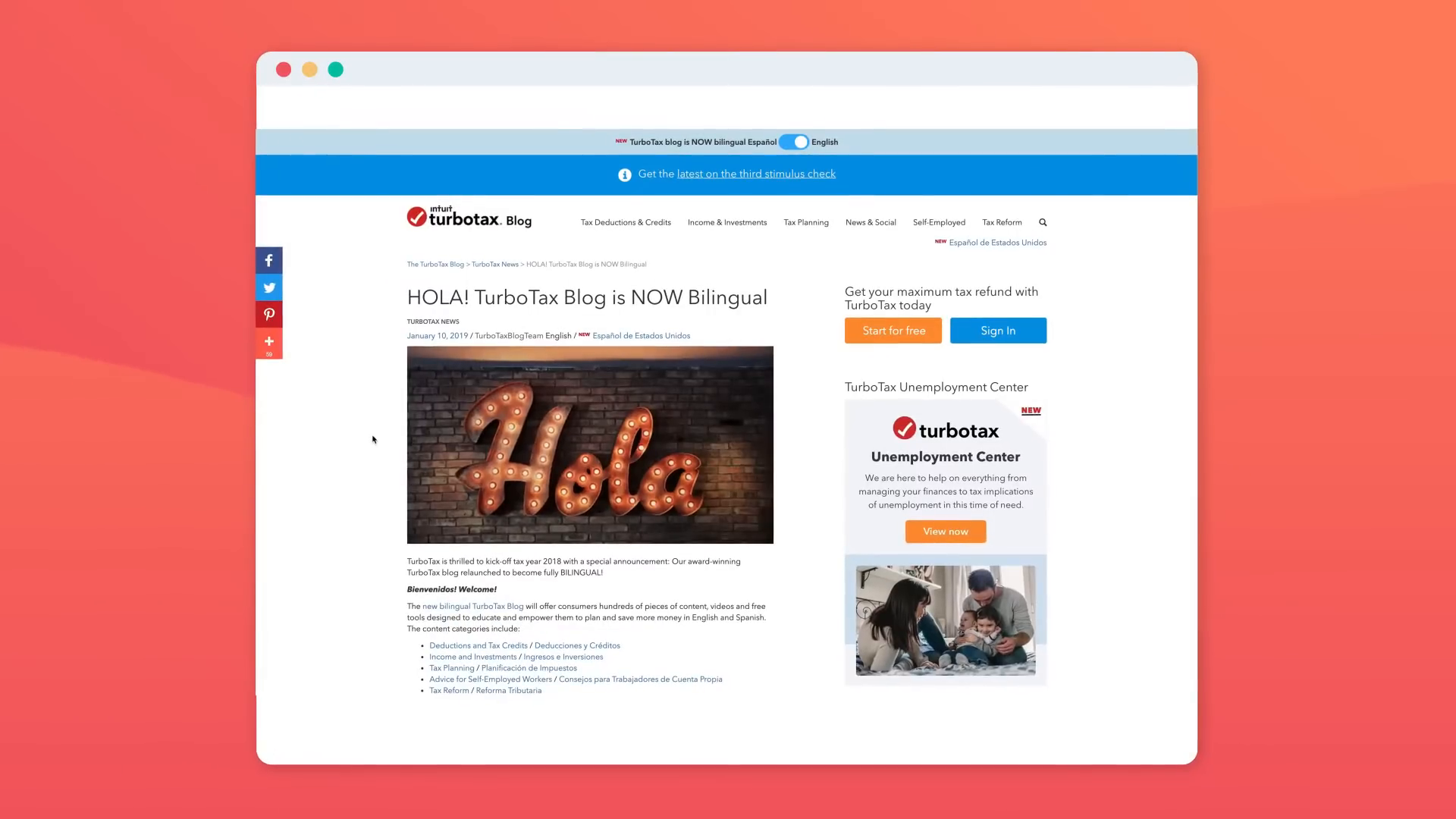
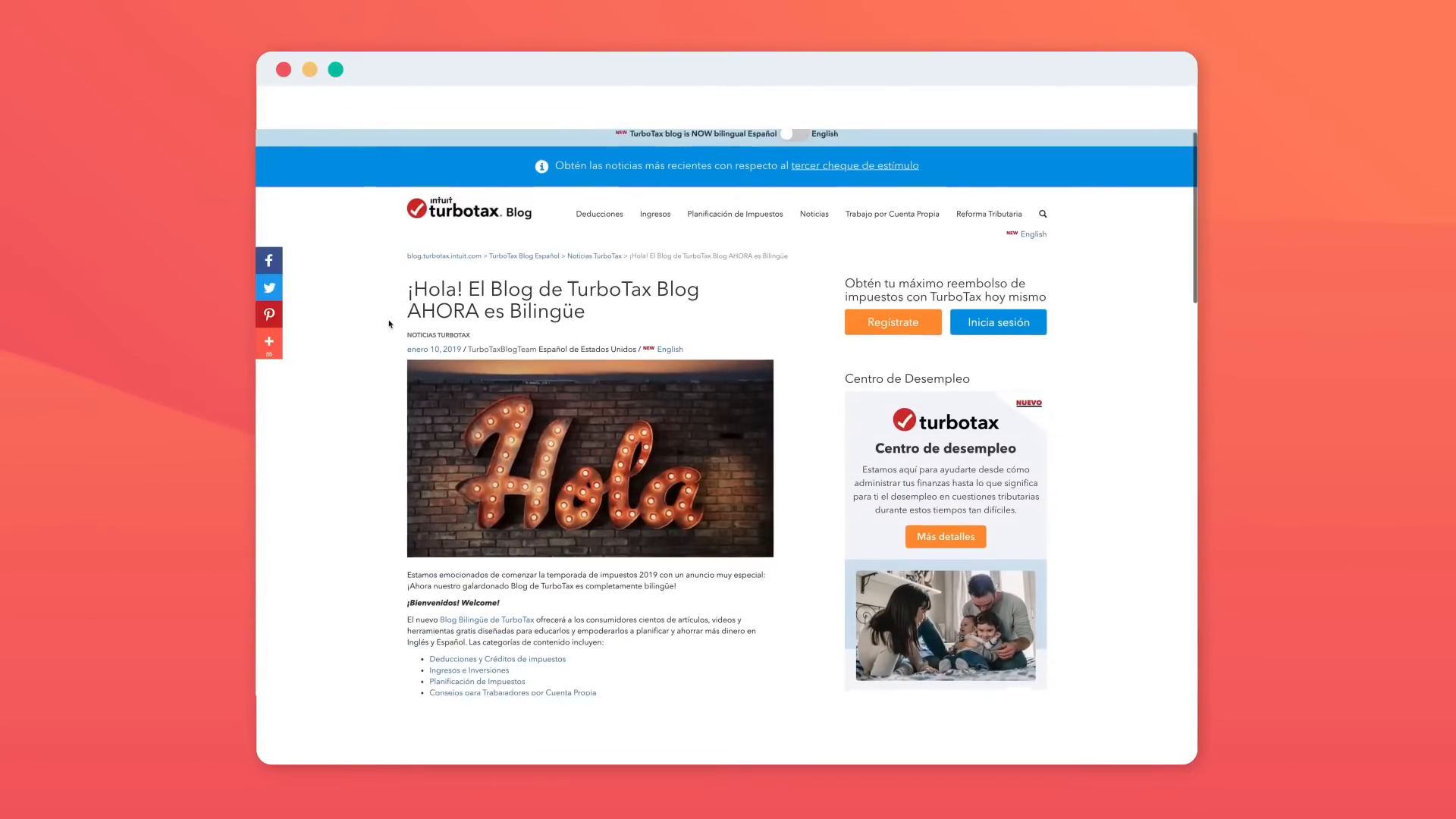
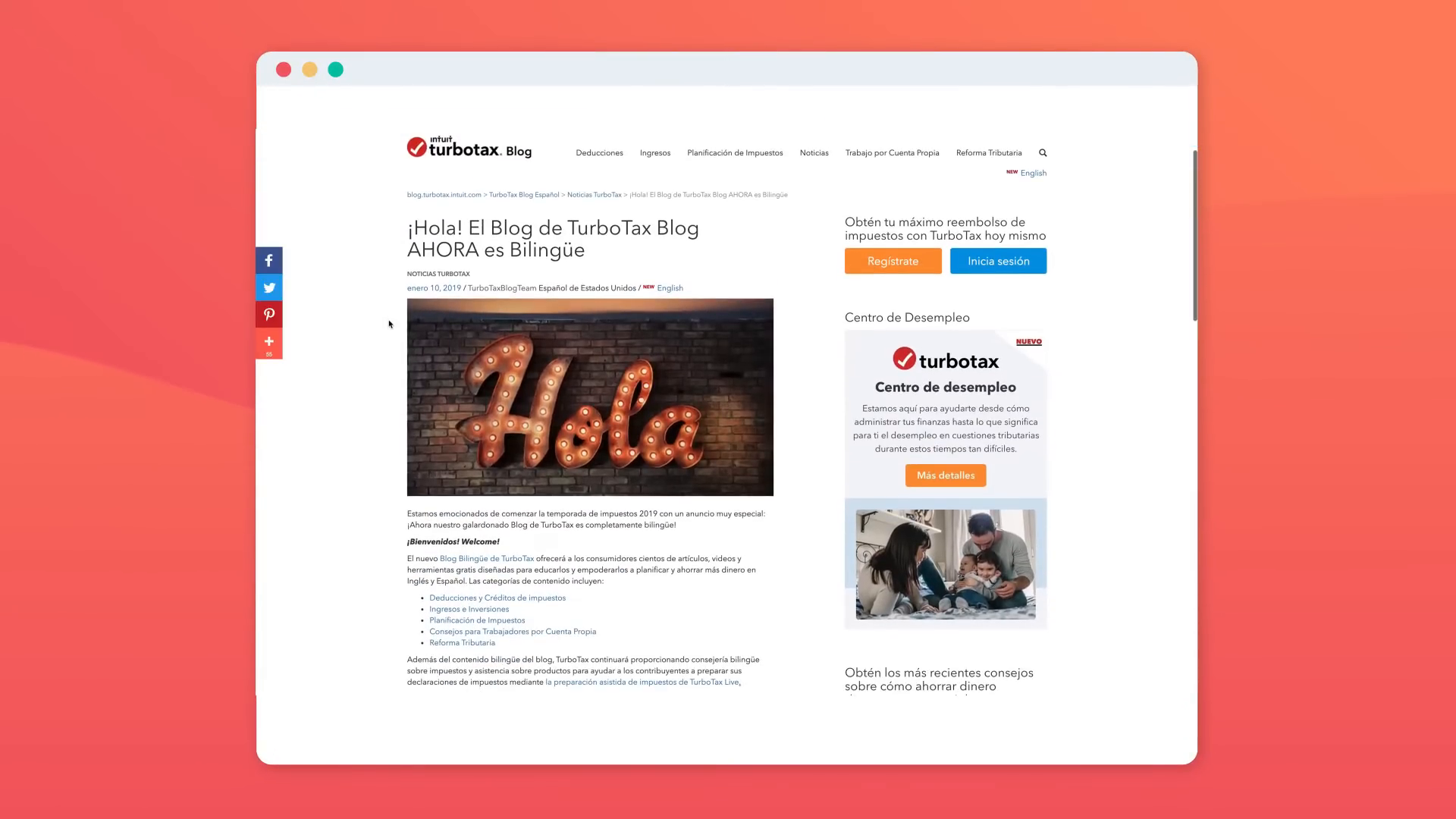
For example, TurboTax wanted to
engage
with
a
Latino
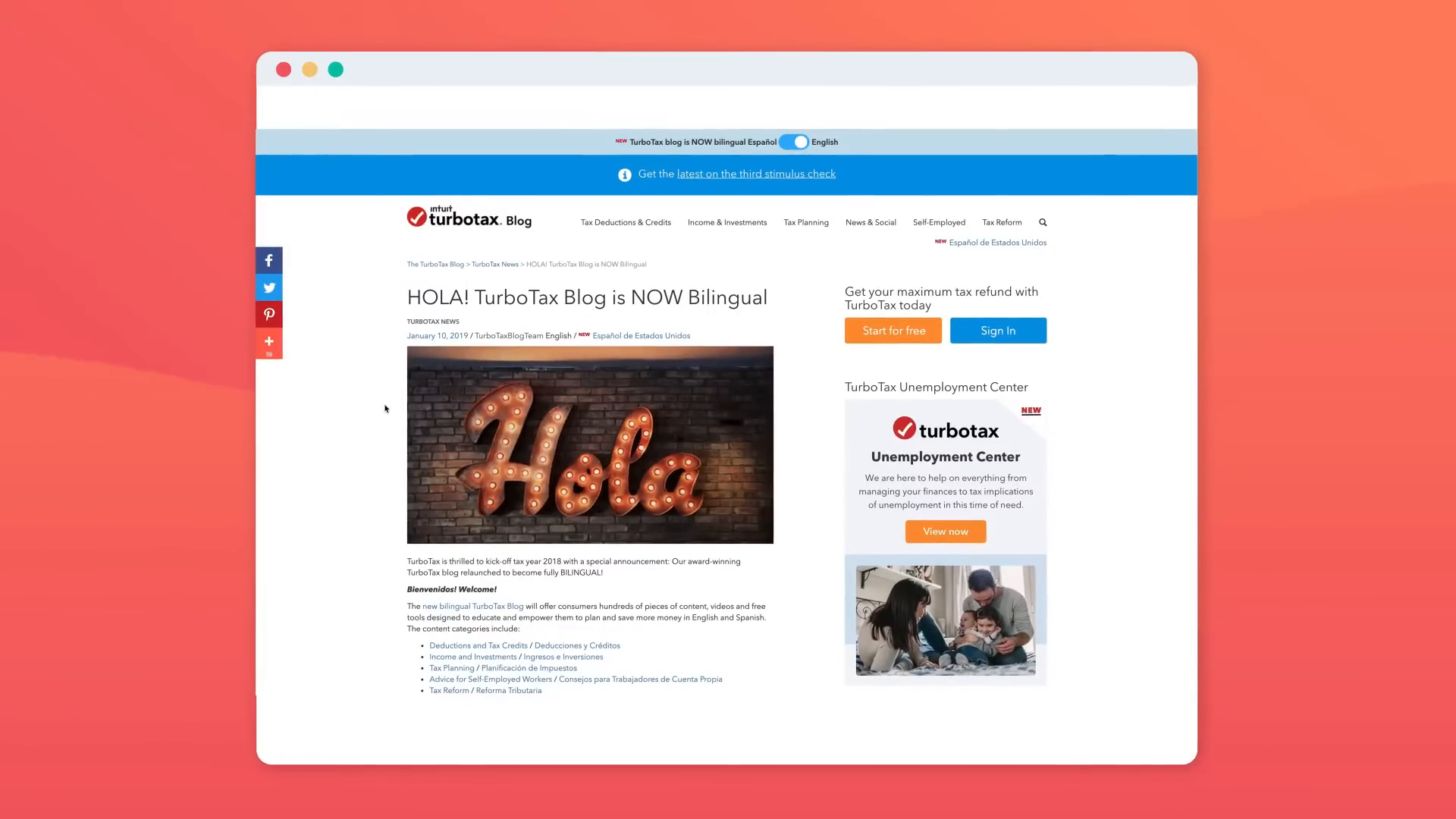
audience,

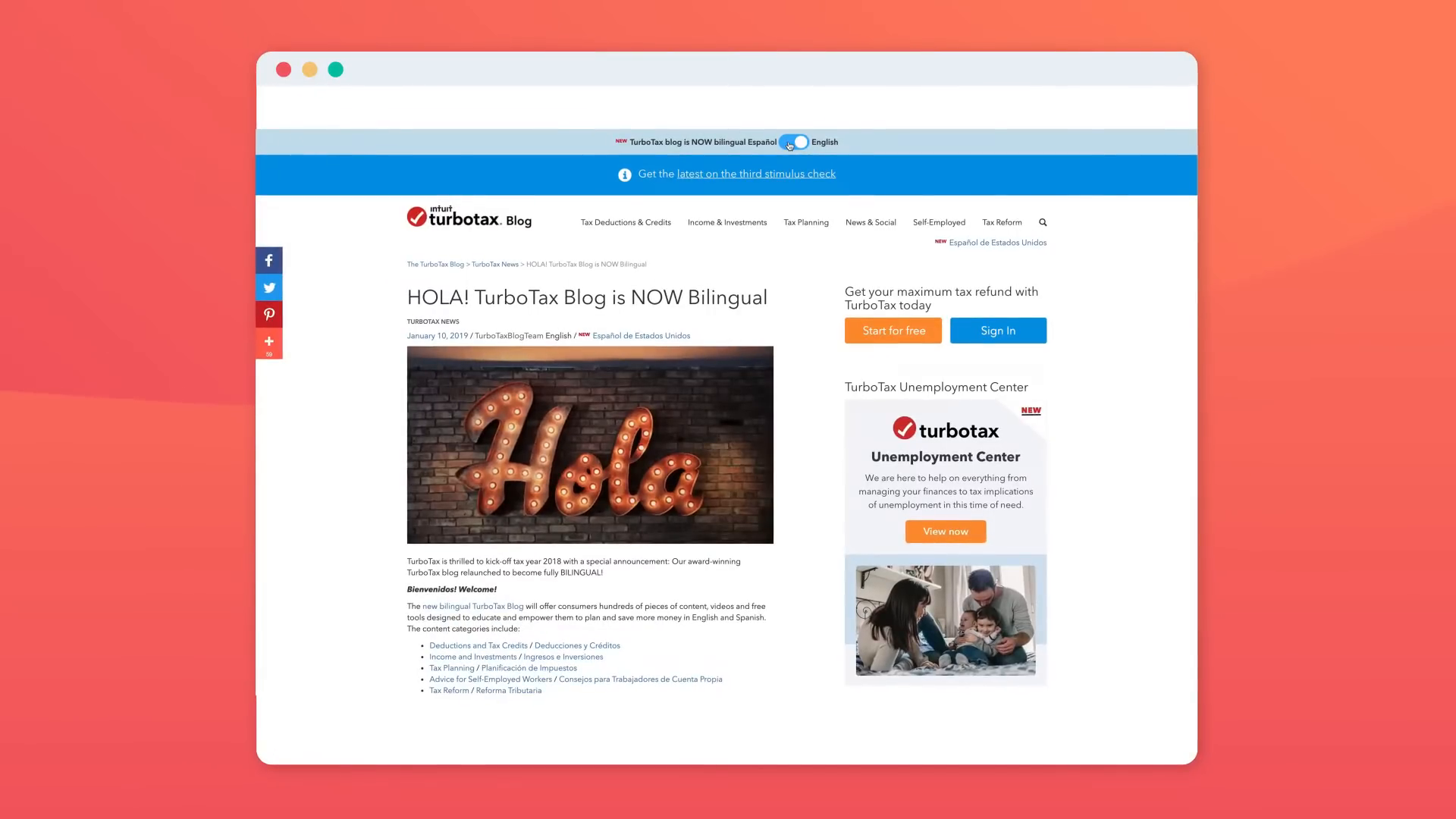
and
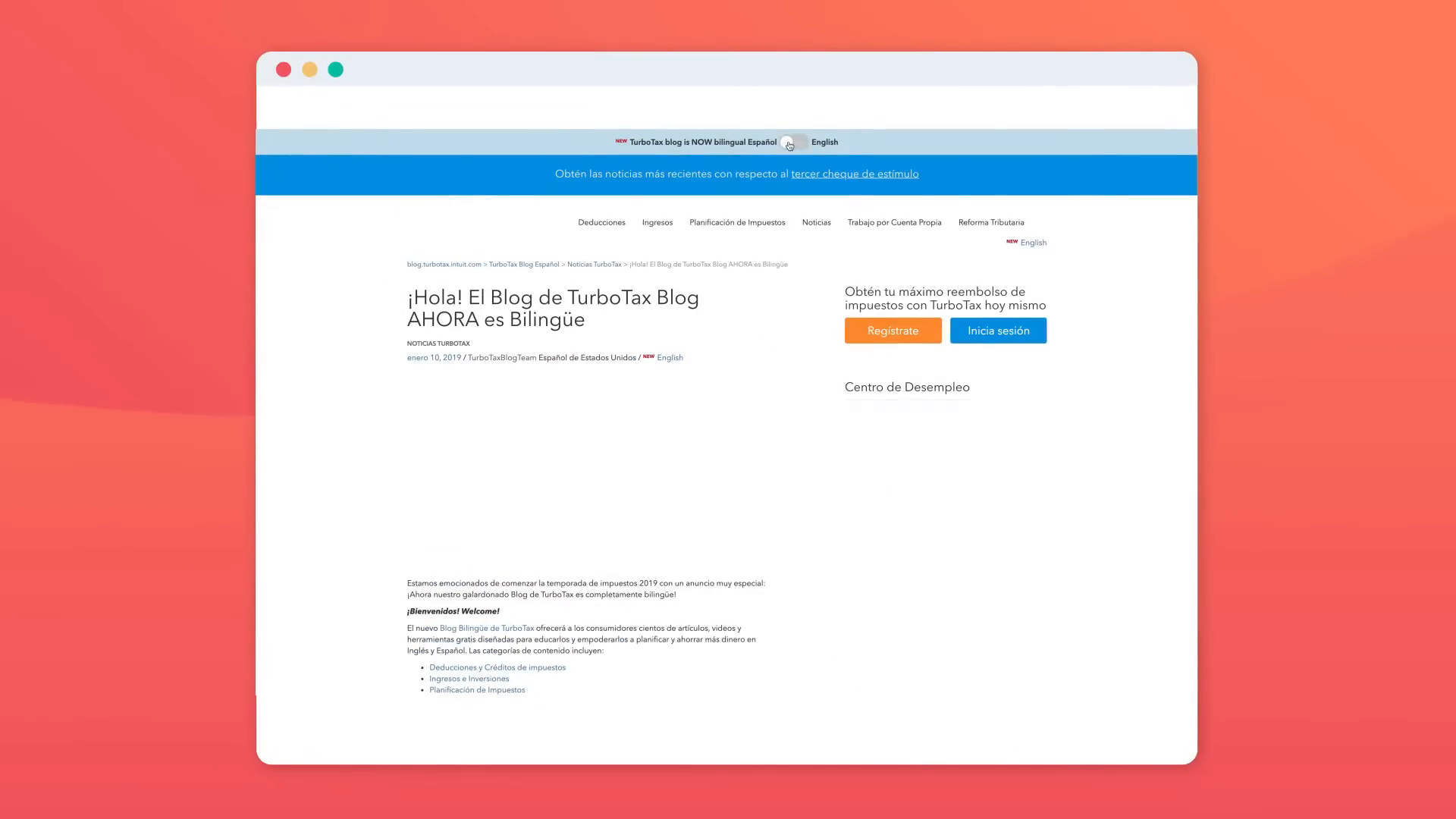
they
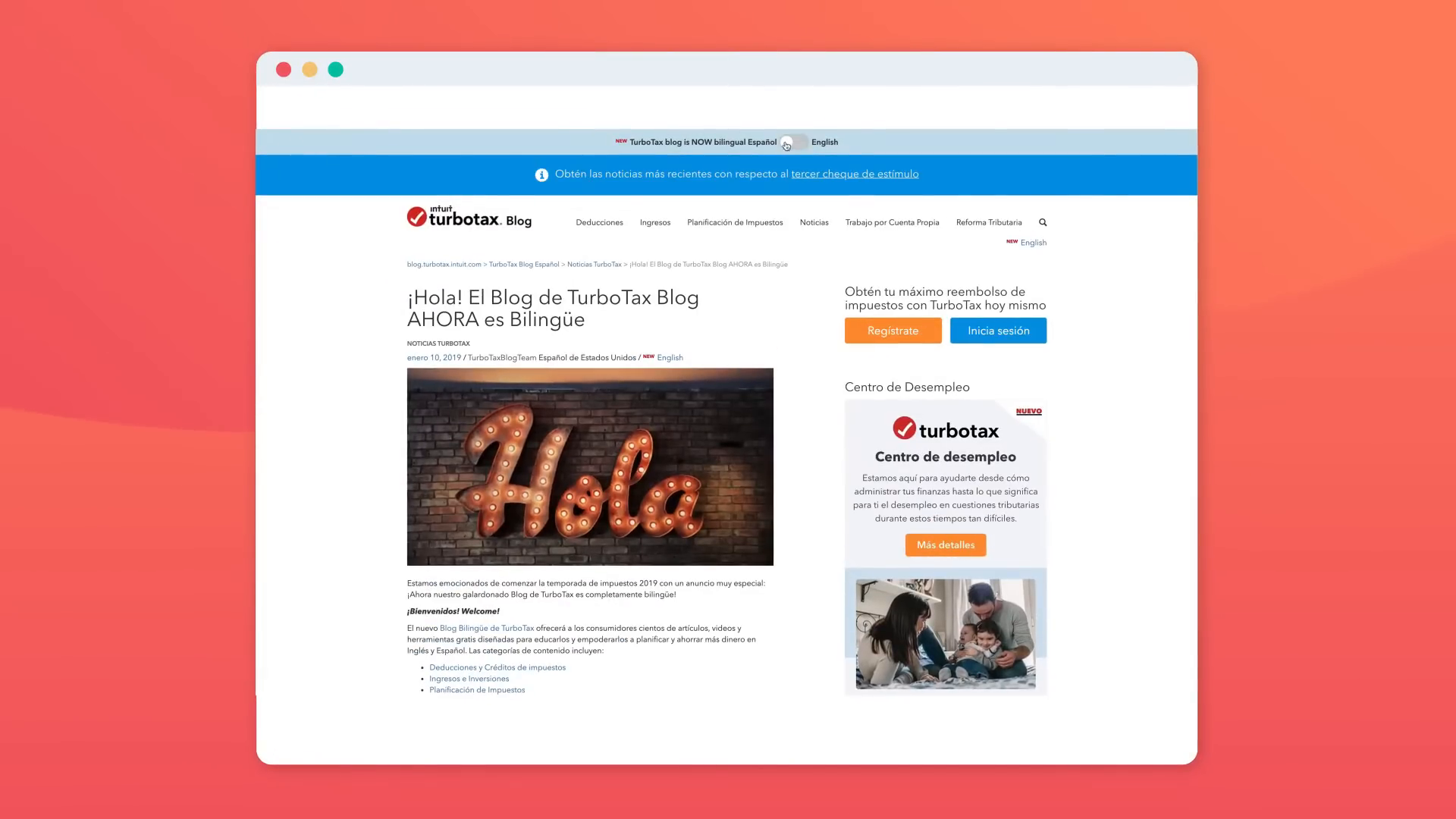
did
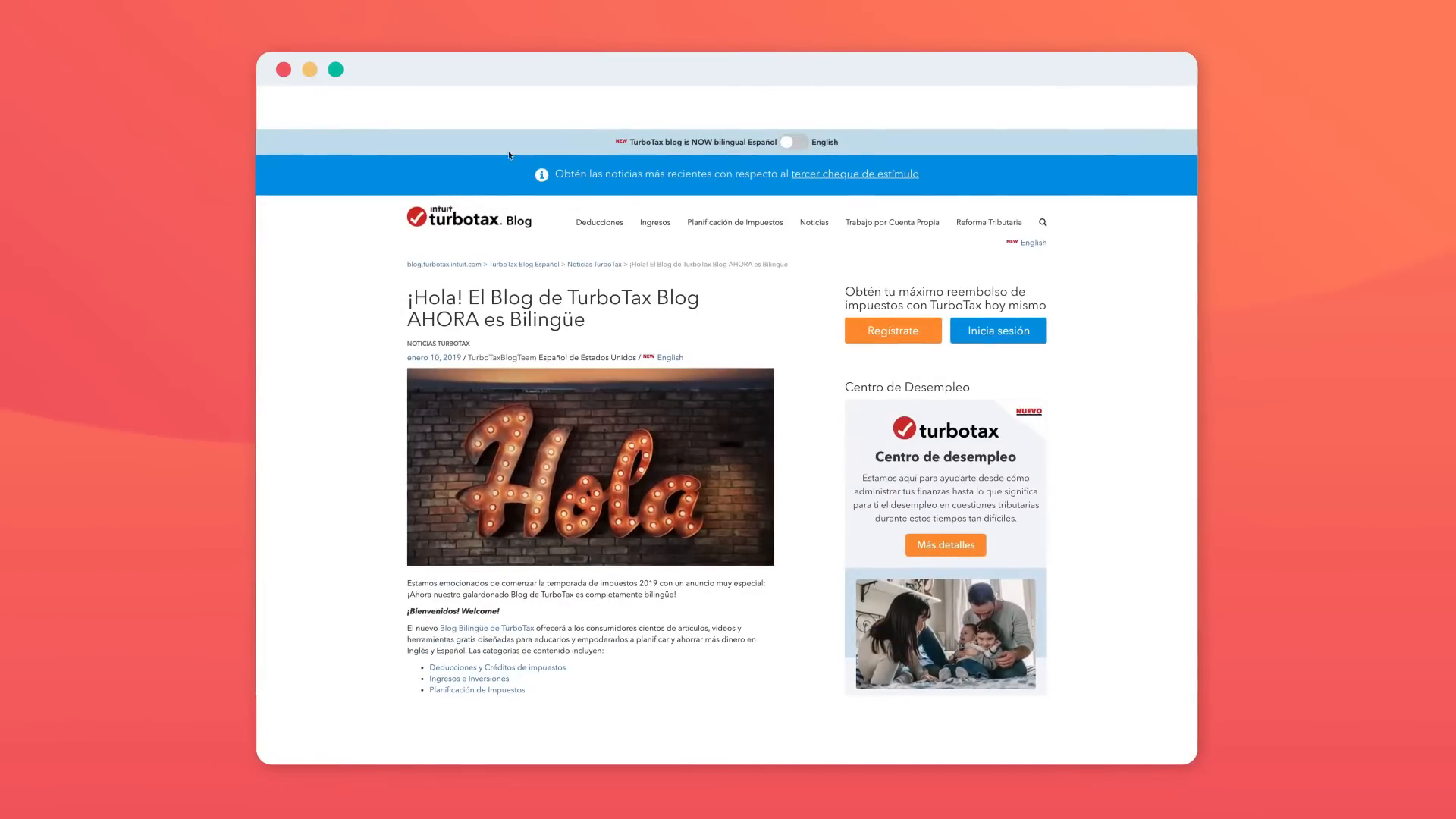
this
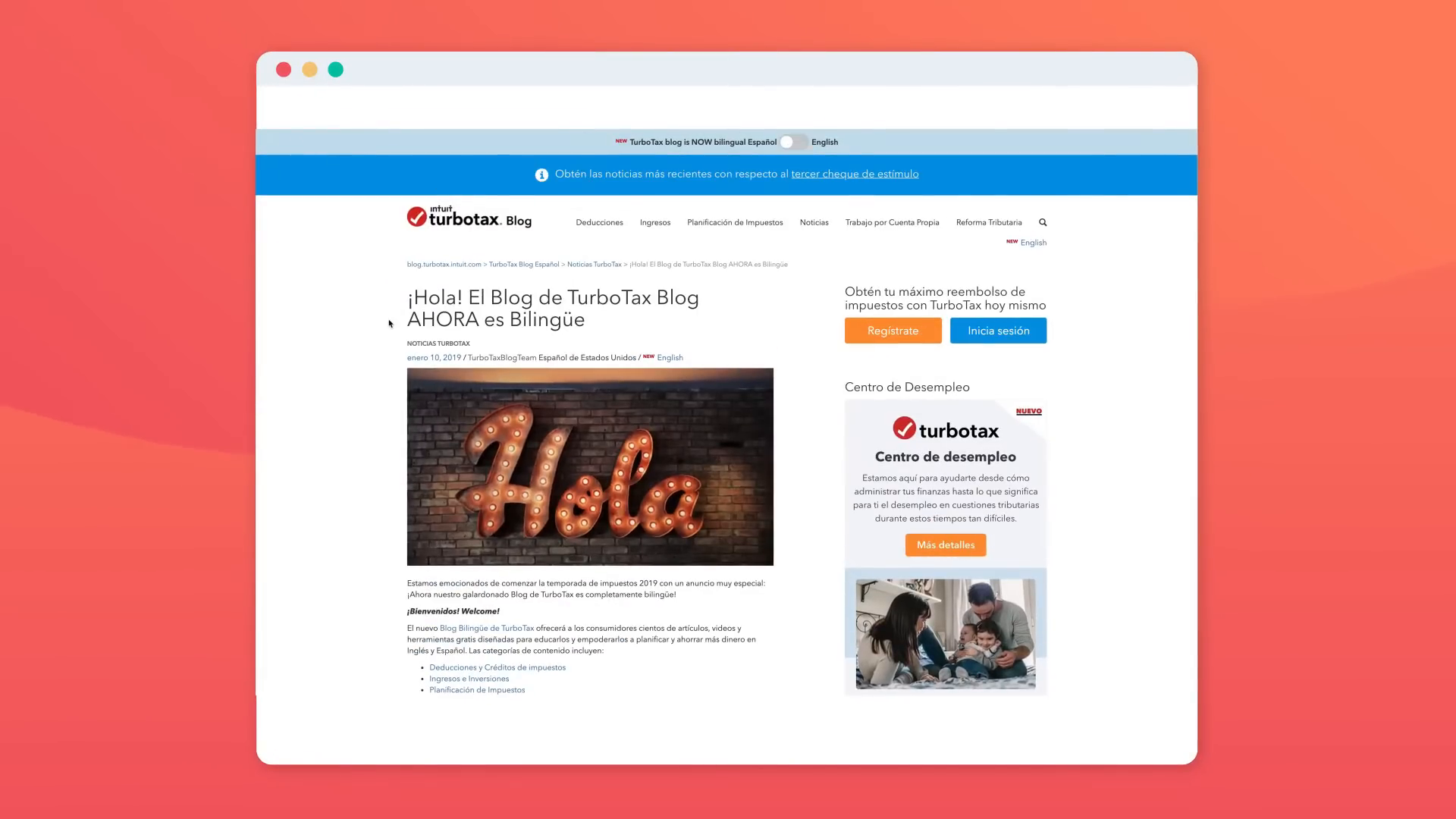
by

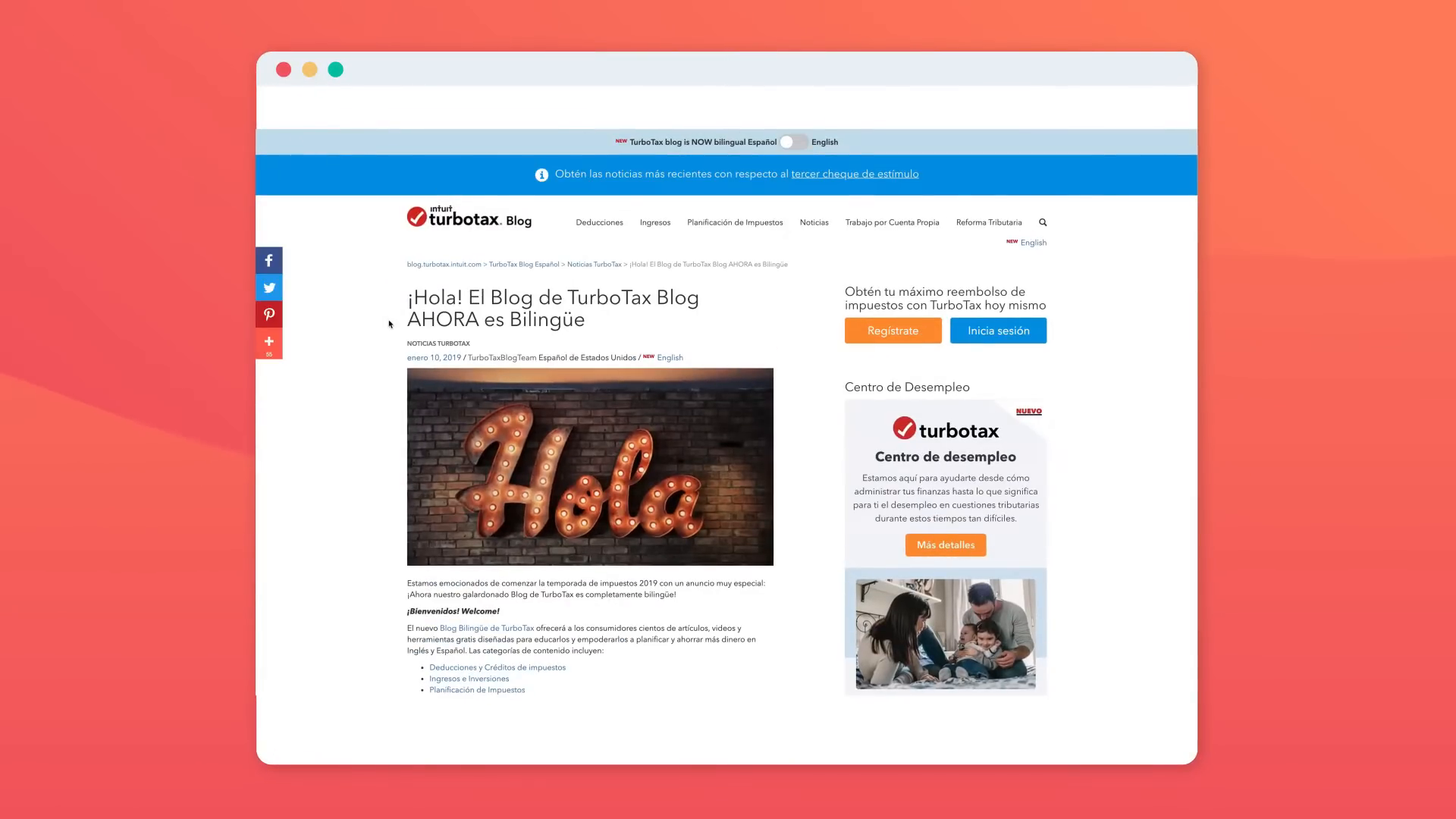
activating
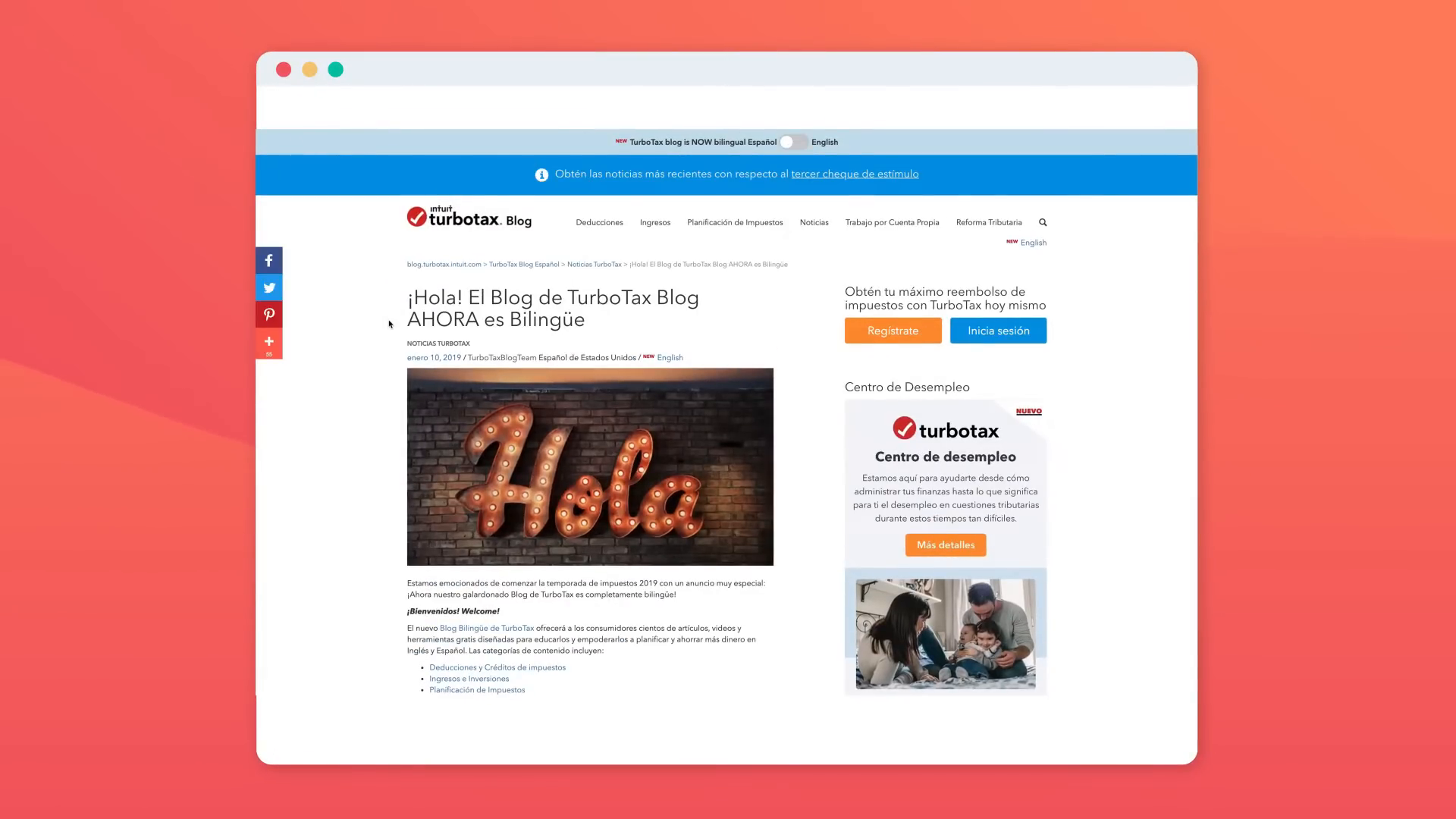
an
integrated

marketing
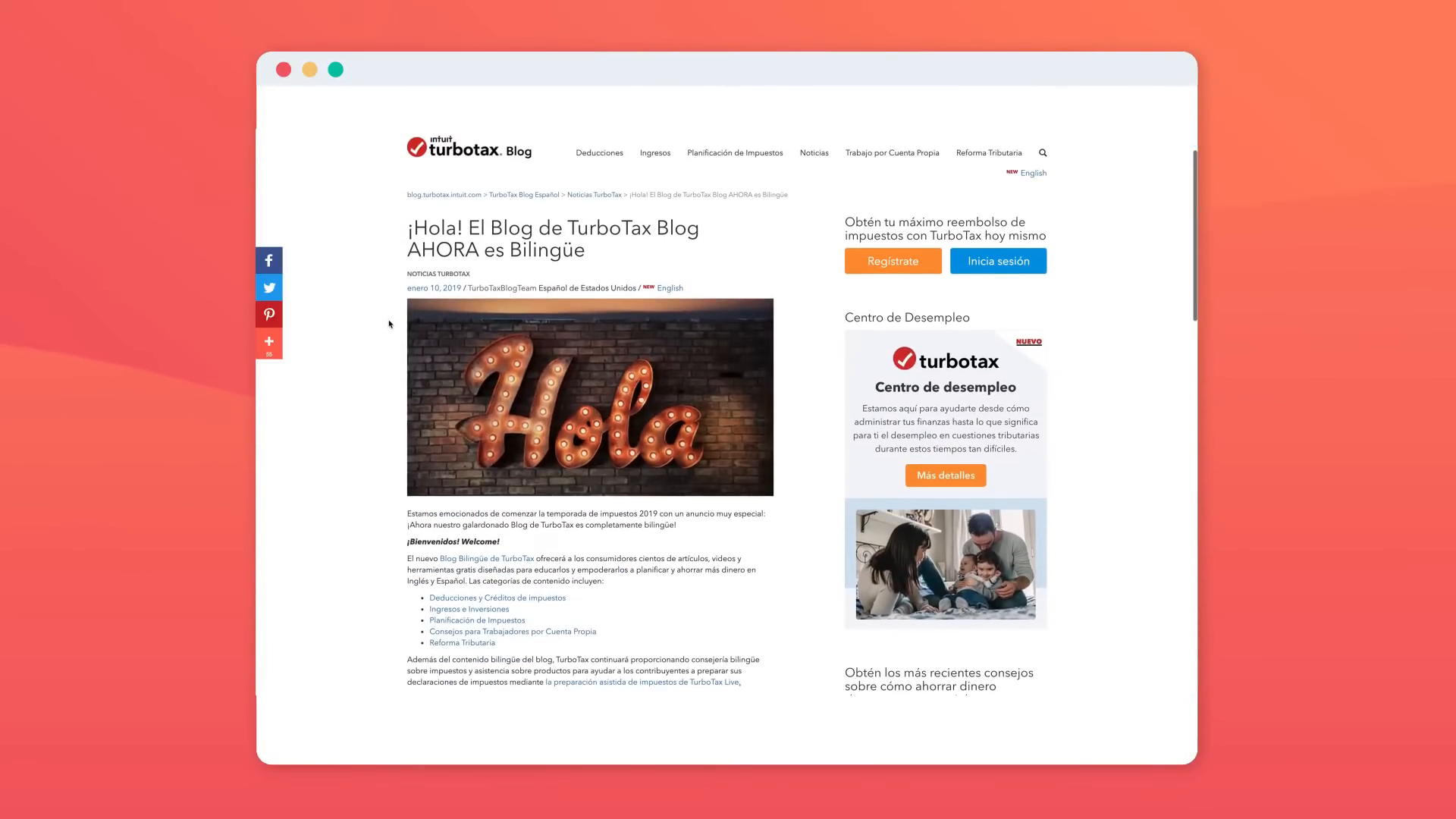
campaign that created online tools, content, and activations specifically for that demographic. They then formed strategic media and community partnerships with organizations like the Hispanic Heritage Fund and We All Grow Latina Network, leveraging those groups’ credibility and reach. Being present in and contributing to your audience’s communities is essential for effective digital marketing.
Step 5: Build an Effective Marketing Funnel#
Reaching your audience is only the first step; you also need a structured path that turns strangers into customers. This is where a marketing funnel comes in, typically with stages such as:
- Top of the funnel: Attract visitors with awareness-focused messaging and content.
- Middle of the funnel: Convert visitors into qualified leads through offers, resources, or deals that require sign-up or engagement.
- Bottom of the funnel: Close the deal with targeted, personalized engagement that encourages purchase.
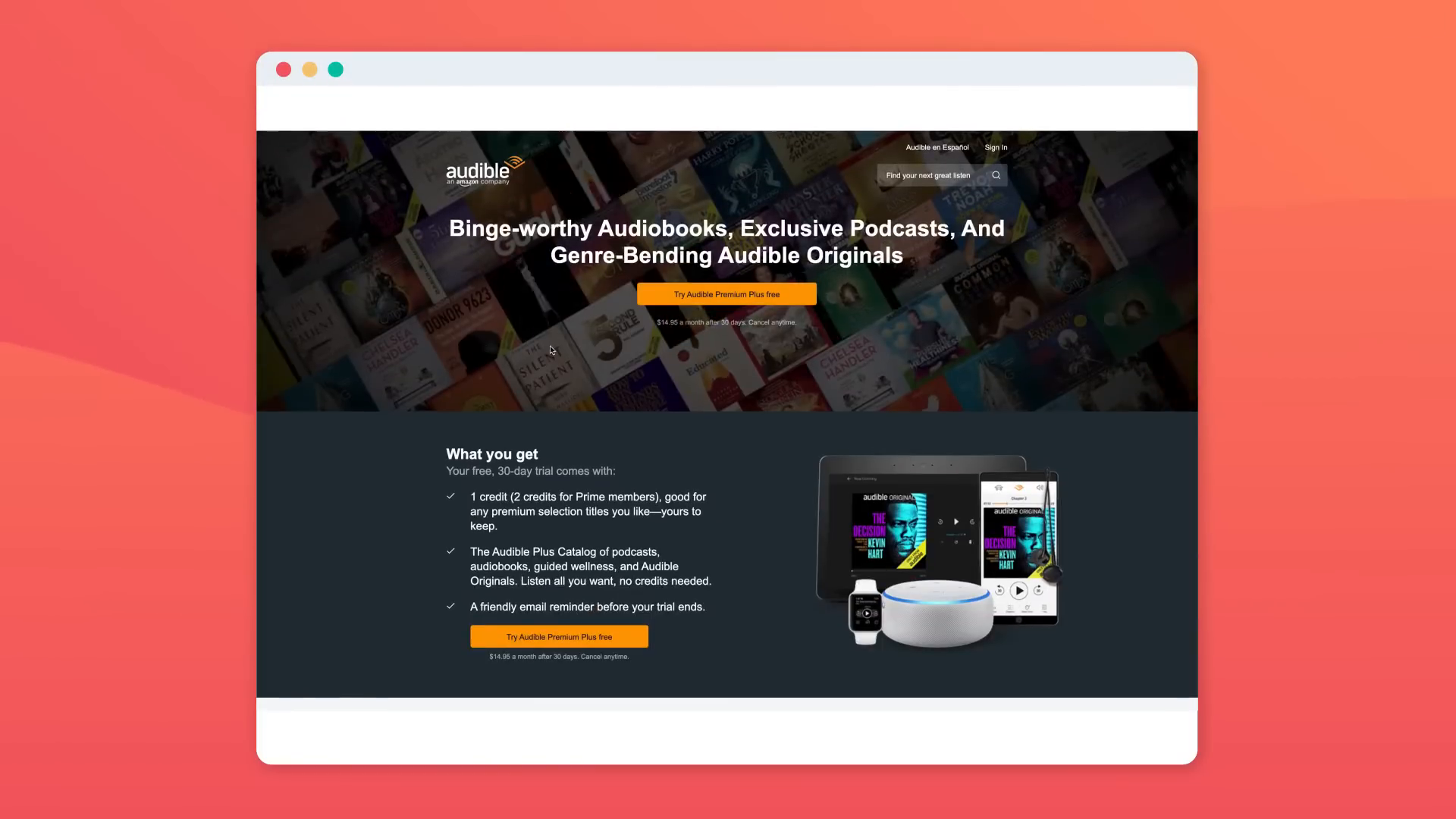
Audible is a strong example of a well-designed funnel. They built

a very effective

online sales funnel

that builds awareness for audiobooks and podcasts by working with creators who promote Audible via social media.

Potential

subscribers

are then
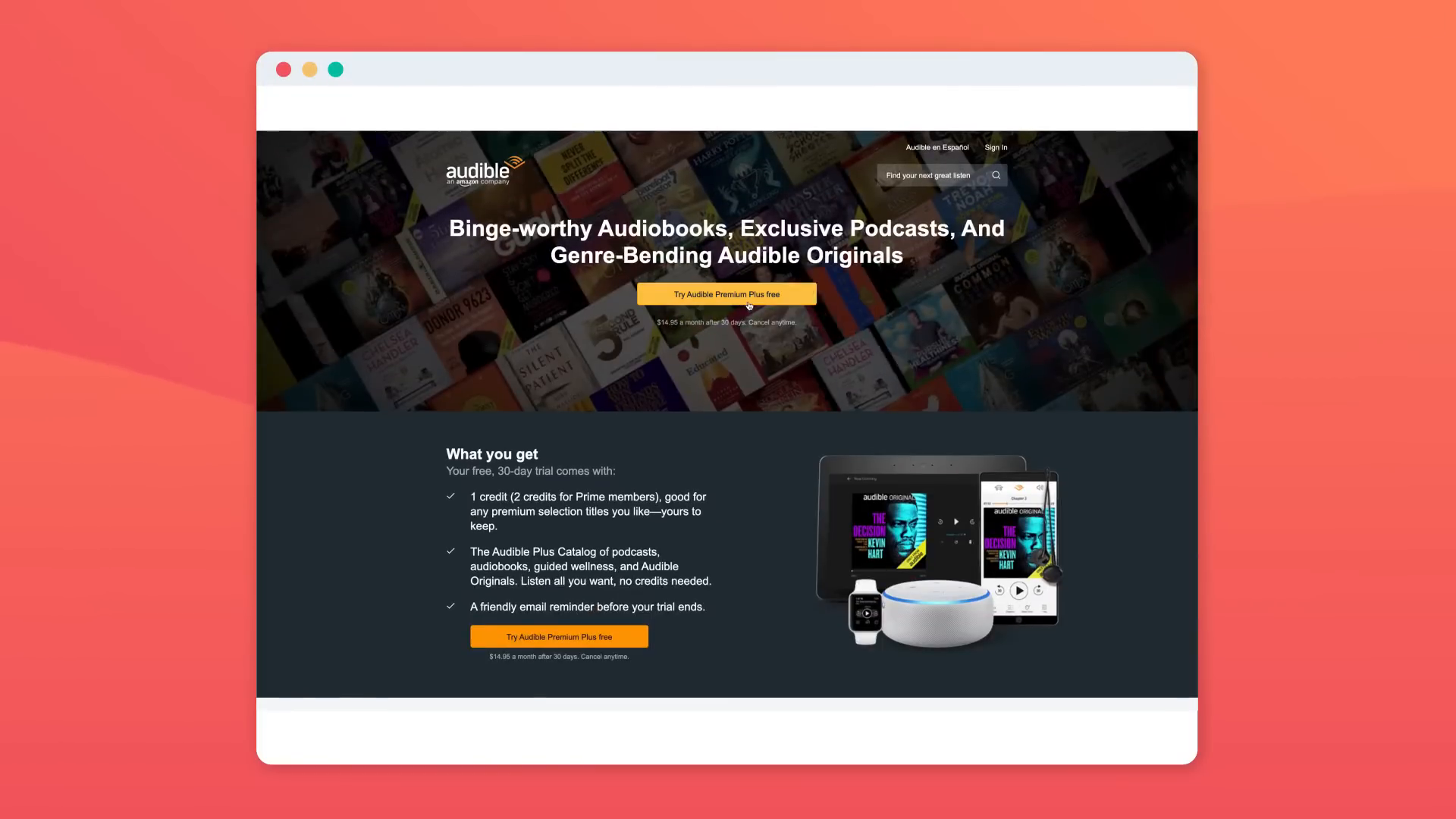
offered

30 days of Audible for free, allowing them to listen to content that initially caught their interest. After the free trial, billing starts and many of these trial users convert into paying customers. Even if you don’t use a subscription model, you should offer meaningful incentives that encourage prospects to engage and move down your funnel.
Step 6: Monitor, Analyze, and Respond in Real Time#
To optimize your digital marketing, you must measure performance and respond to audience feedback.
First, use analytics to understand if and how audiences are finding and interacting with your content by tracking:
- Impressions and views
- Click-through rates
- Signups and conversions
- Engagement behaviors such as scrolling and time on page
- Sales and revenue impact
HubSpot

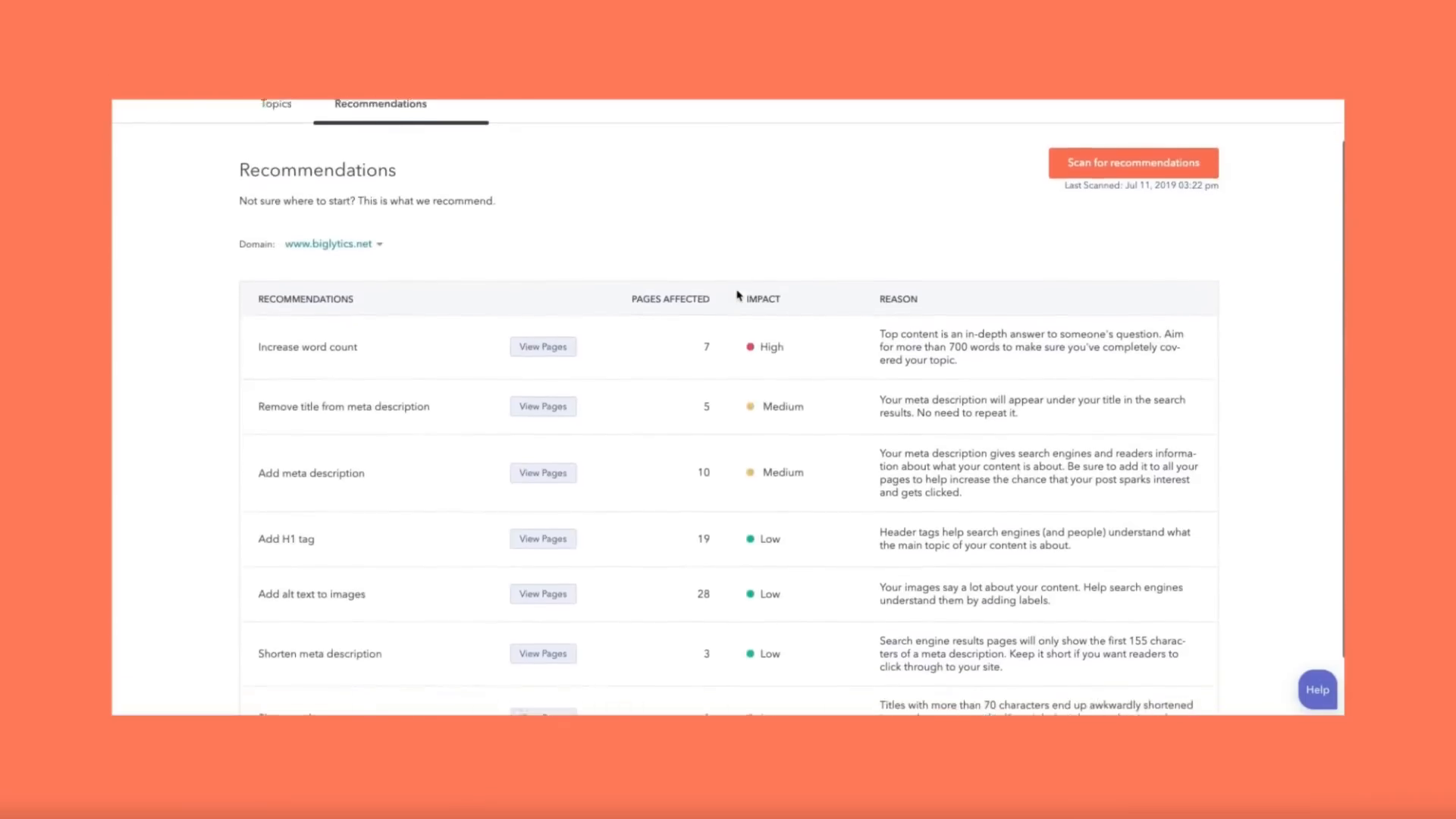
offers
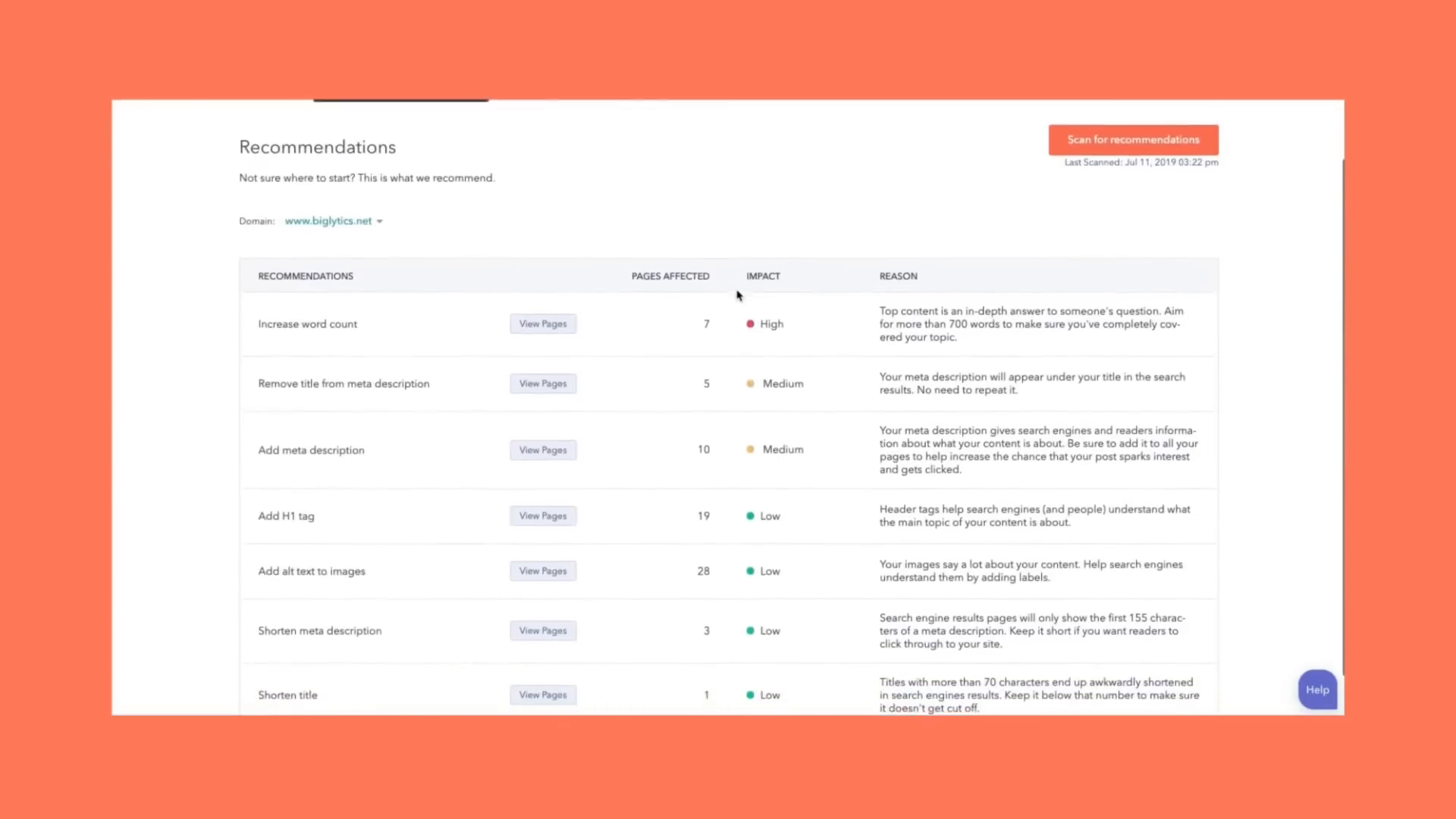
a
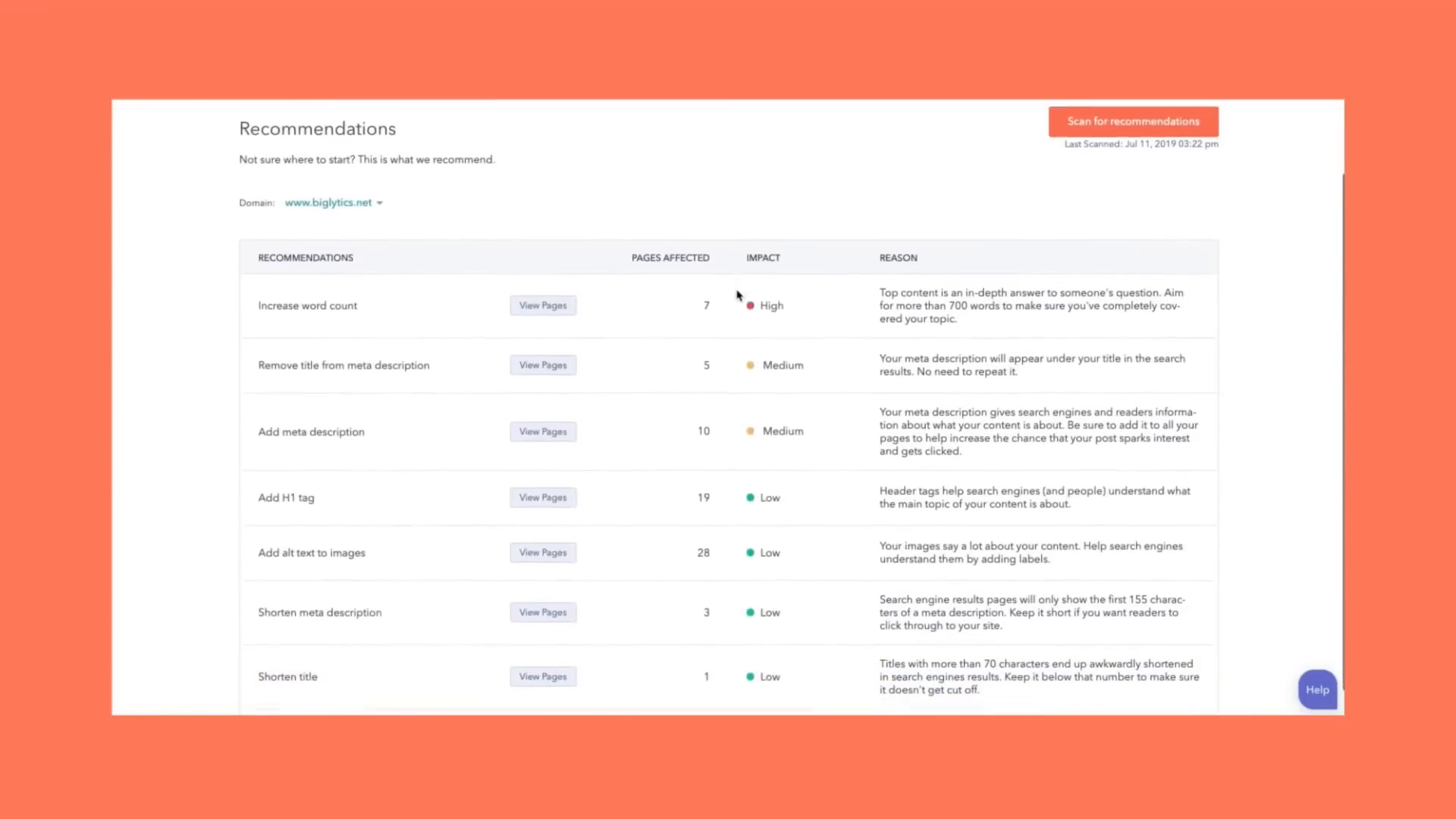
full suite

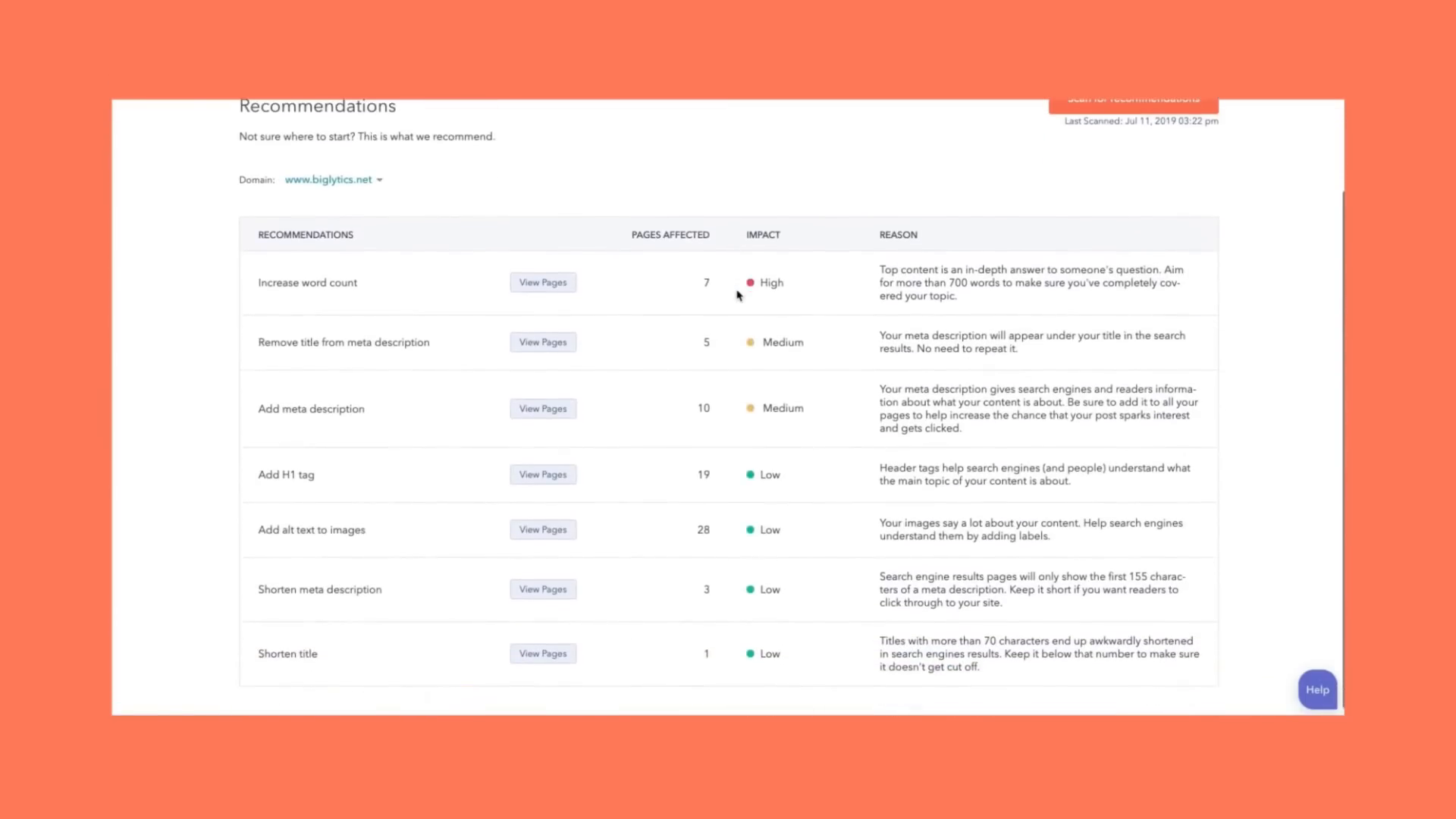
of marketing

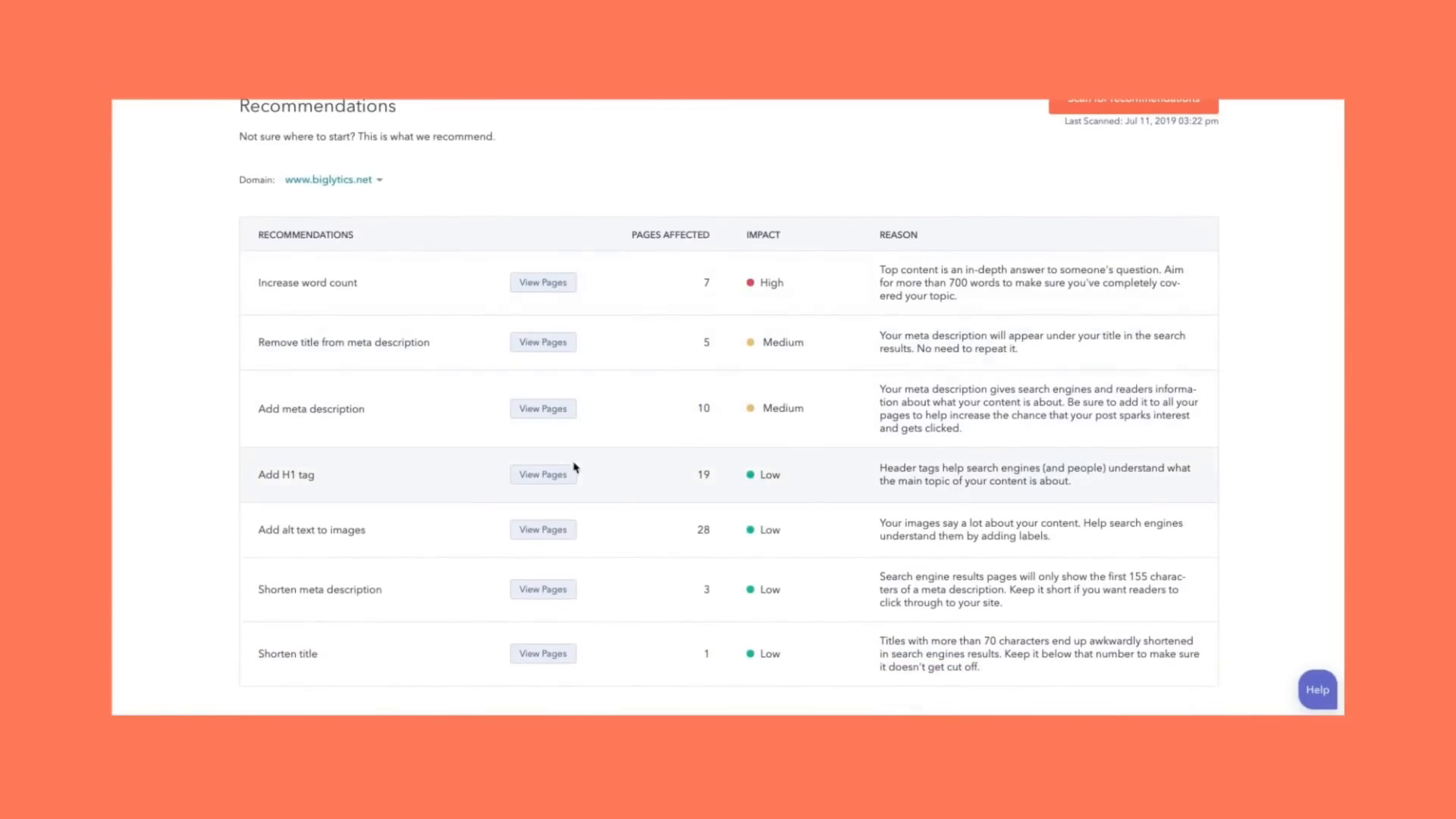
analytics

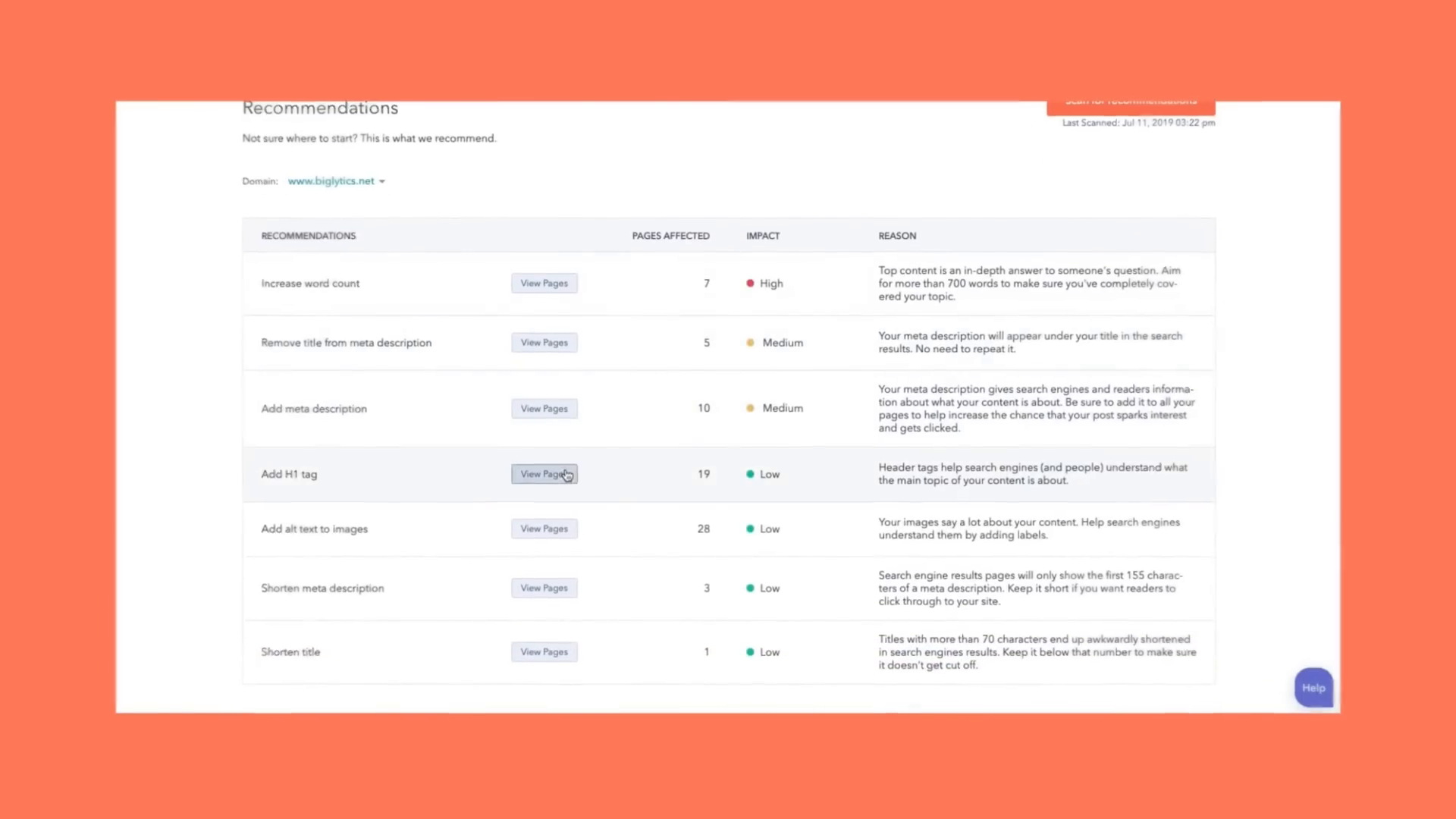
and a
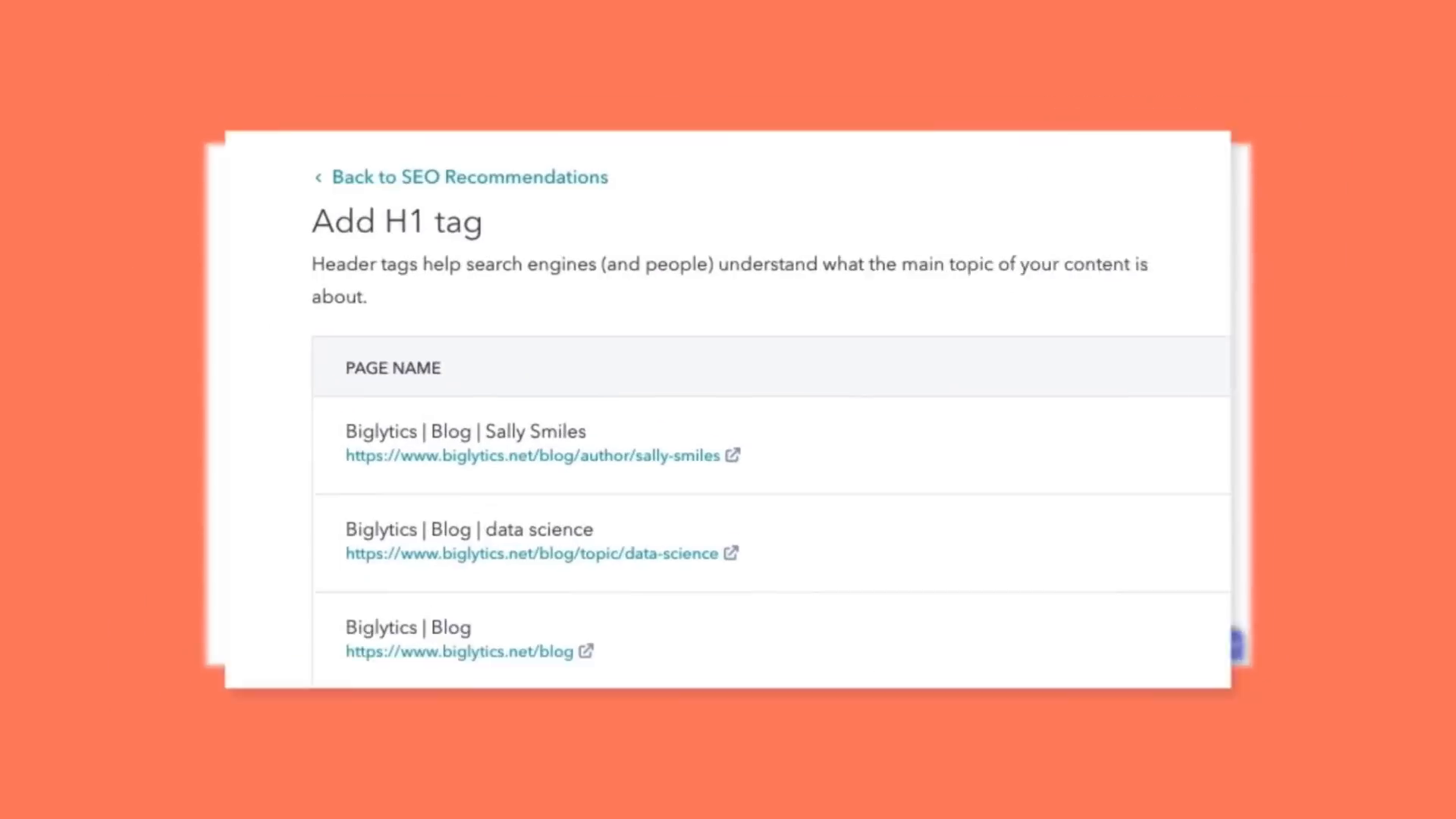
dashboard
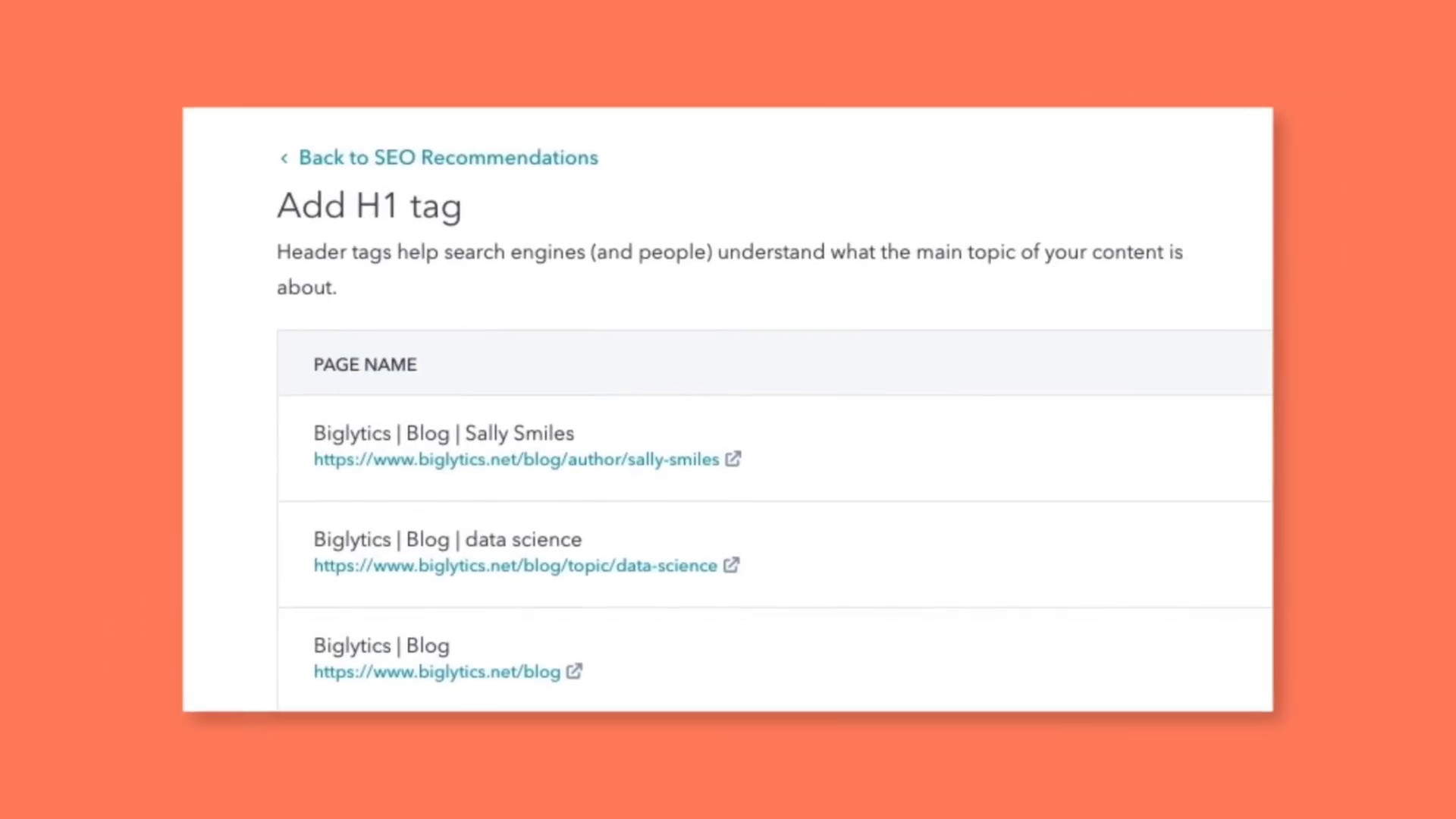
software

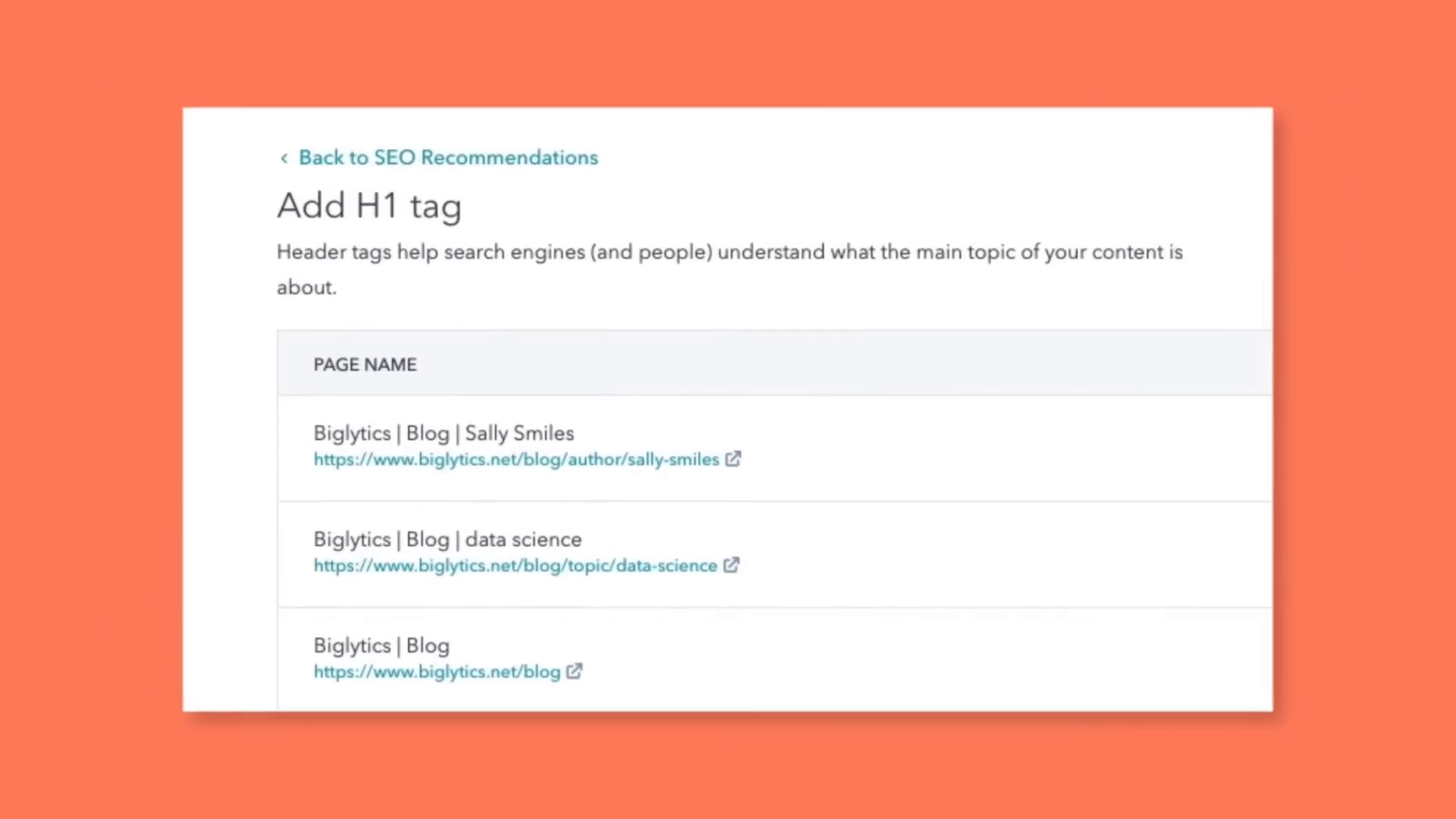
to help you become a more data-driven marketer.
In addition to quantitative analytics, monitor what people are saying about your brand online so you can shape perception and quickly address any negative publicity. For example, Gatorade operates a 24/7 social media “mission control” center in Chicago.


That mission


is to amplify positive


sentiment


and address any negative

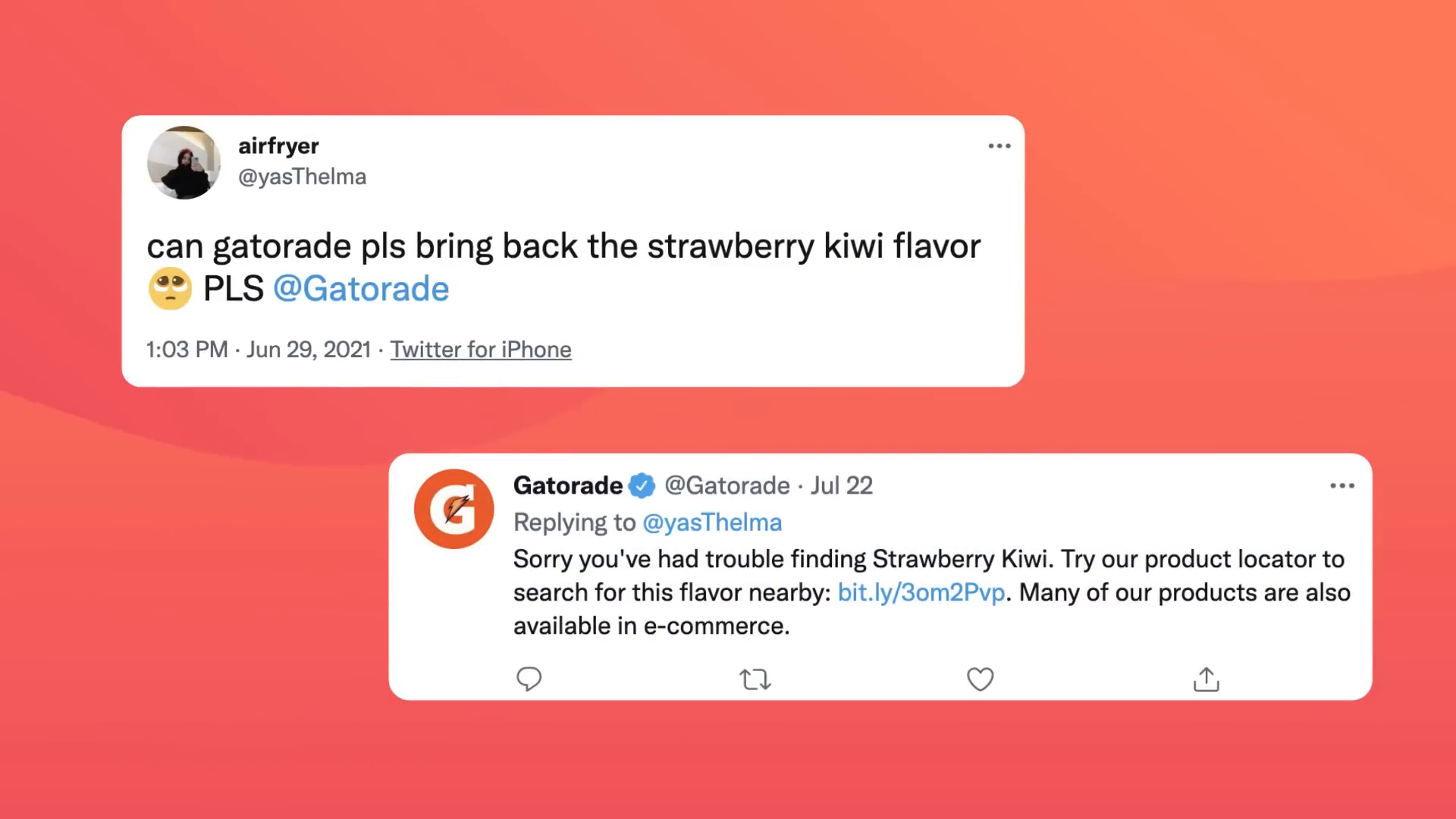
comments
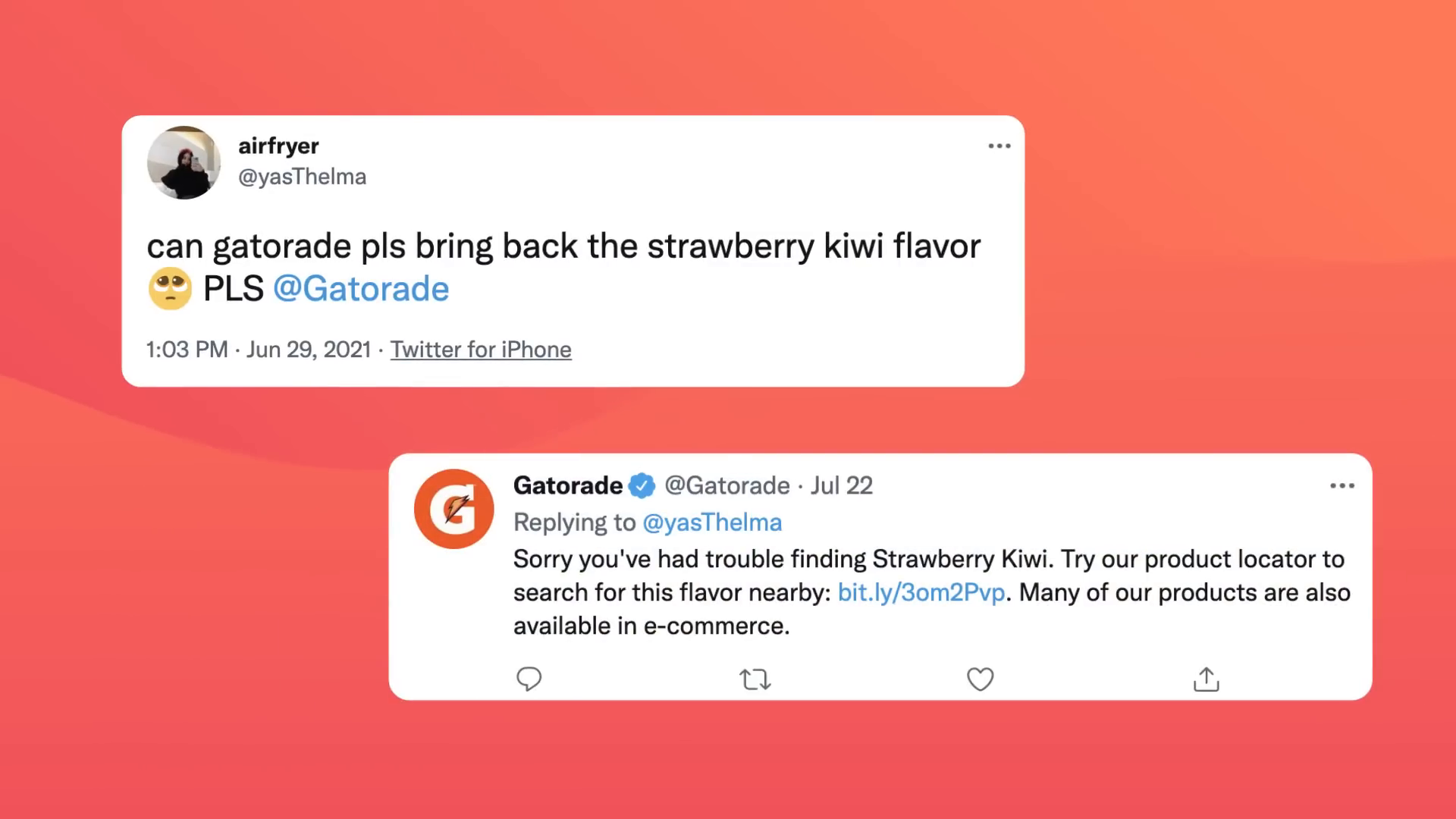
as
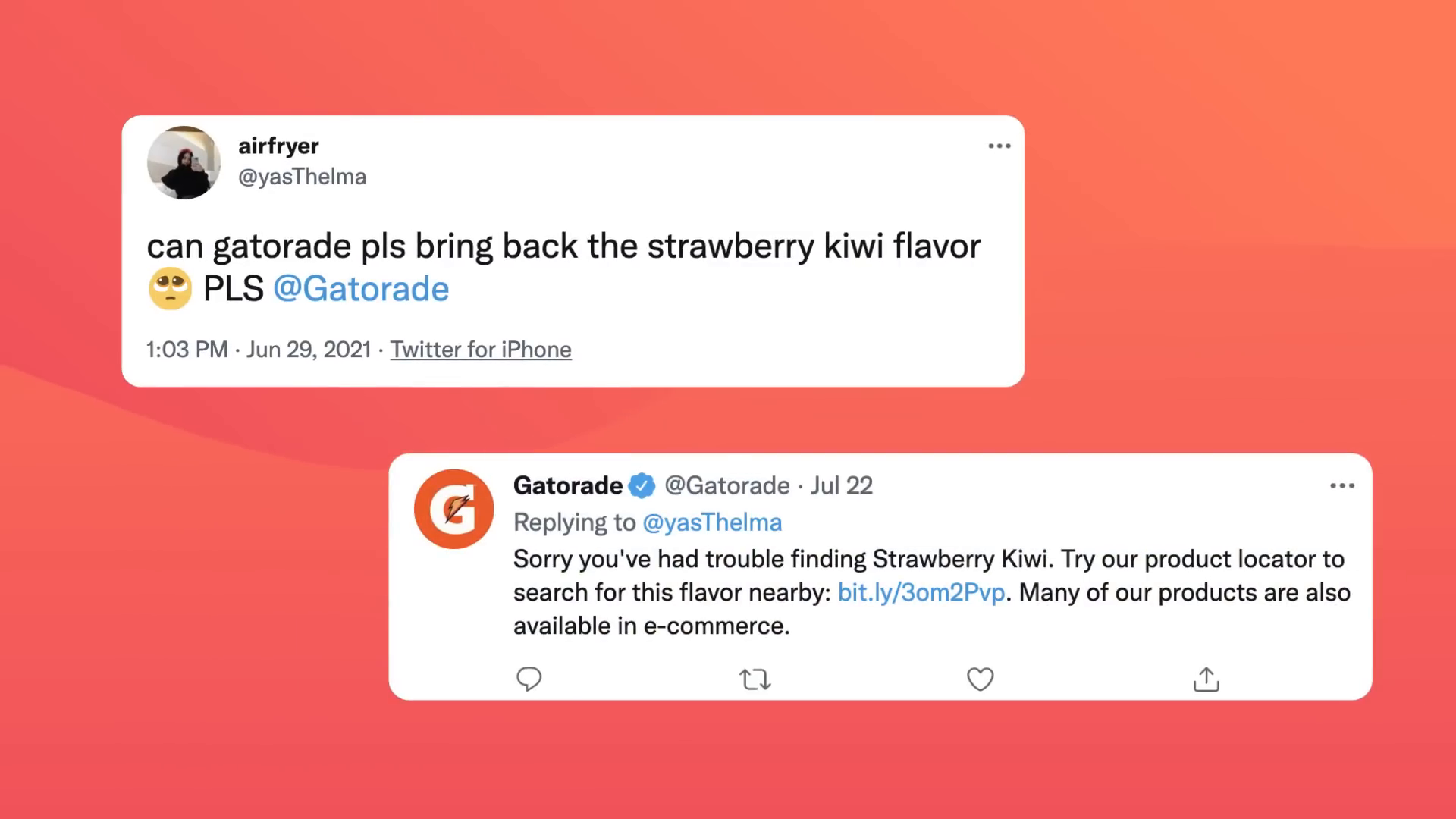
quickly as possible before they spread. Even if you cannot staff a full-time team, you should still allocate time to engage with your online audience in real time. Digital marketing is most effective when it is treated as a two-way conversation.
Step 7: Continue Learning and Improve Your Skills#
To further upgrade your digital marketing performance, explore structured learning resources and courses. Check the link in the video description

for the online course offered by HubSpot Academy, where you can deepen your understanding and apply these principles more systematically across your marketing efforts.